
In the world of pleasure products, a “one-size-fits-all” approach is a recipe for failure.
This is especially true in Asia, where a unique blend of cultural nuances, physical considerations, and urban living realities has cultivated a distinct preference for compact, discreet designs.
The Asian market’s emotional attachment to “small and beautiful” items is more than a simple matter of size; it reflects deep-seated cultural values of subtlety and practicality.
For B2B brands hoping to succeed, this requires a fundamental shift in strategy—moving beyond simple translation to achieve true Cultural Resonance.
At Luxora, we don’t just scale down products; we engineer “Sensory Art” that fits the Asian lifestyle.
This article analyzes niche market trends. For a comprehensive guide to customizing for global markets, read our Ultimate B2B Guide to Sex Toy Customization.
Understanding the Gap: Western Assumptions vs. Asian Realities
Many Western brands stumble when entering Asia because they underestimate the depth of localization required.
While it’s true that consumers “can’t read, won’t buy”—with research from CSA Research (Can’t Read, Won’t Buy) showing 40% of global consumers refuse to purchase from websites in other languages—true adaptation goes much deeper.
It’s about bridging the gap between common Western business assumptions and the on-the-ground realities of the Asian consumer.
| Western Assumption | Asian Market Reality |
| “Bigger is better” marketing. | Subtlety, elegance, and non-aggressive designs are valued. |
| Stored in spacious private homes. | High-density urban living makes compact, storable items a necessity. |
| Open discussion is the norm. | Discretion is paramount; products resembling cosmetics are preferred. |
| Global marketing translation. | Local nuances and influencer partnerships are crucial (e.g., Gen Z trends). |
👉 Deep Dive: How Gen Z values are shaping product design globally
The “Small is Beautiful” Complex in the Asian Market
So, why is there such a strong preference for smaller designs?
Why do search terms like asian dildo and compact vibrator see such high volume but low satisfaction?
It stems from three interconnected factors that every product designer must understand.
1. Physical Factors: Ergonomic Reality
It’s a simple ergonomic reality.
Asian women generally have more petite body frames.
Introducing a product that isn’t designed with their body in mind can lead to physical discomfort.
I’ve seen brands learn this lesson the hard way after a major product launch in Tokyo failed because they didn’t adjust the girth or length of their dildos.
2. Cultural Psychology: The Power of Subtlety
Traditional Asian aesthetics often prioritize refinement and understated elegance over boldness.
This preference for subtlety is deeply ingrained.
A product that is discreet aligns with a collectivist cultural mindset, where avoiding potential embarrassment is a powerful motivator.
3. Living Environment: The “Space” Constraint
Space is a premium in major Asian metropolitan hubs like Tokyo, Seoul, and Shanghai.
Consumers are naturally drawn to products that are easy to store and carry.
A compact, portable design isn’t just a “nice-to-have”; it’s a practical necessity for a mobile lifestyle.
3 Strategies to Turn “Compact” into a Compelling Selling Point
Successfully marketing smaller products isn’t about highlighting limitations; it’s about reframing them as powerful benefits.
Step 1: Position as a “Beauty Accessory”
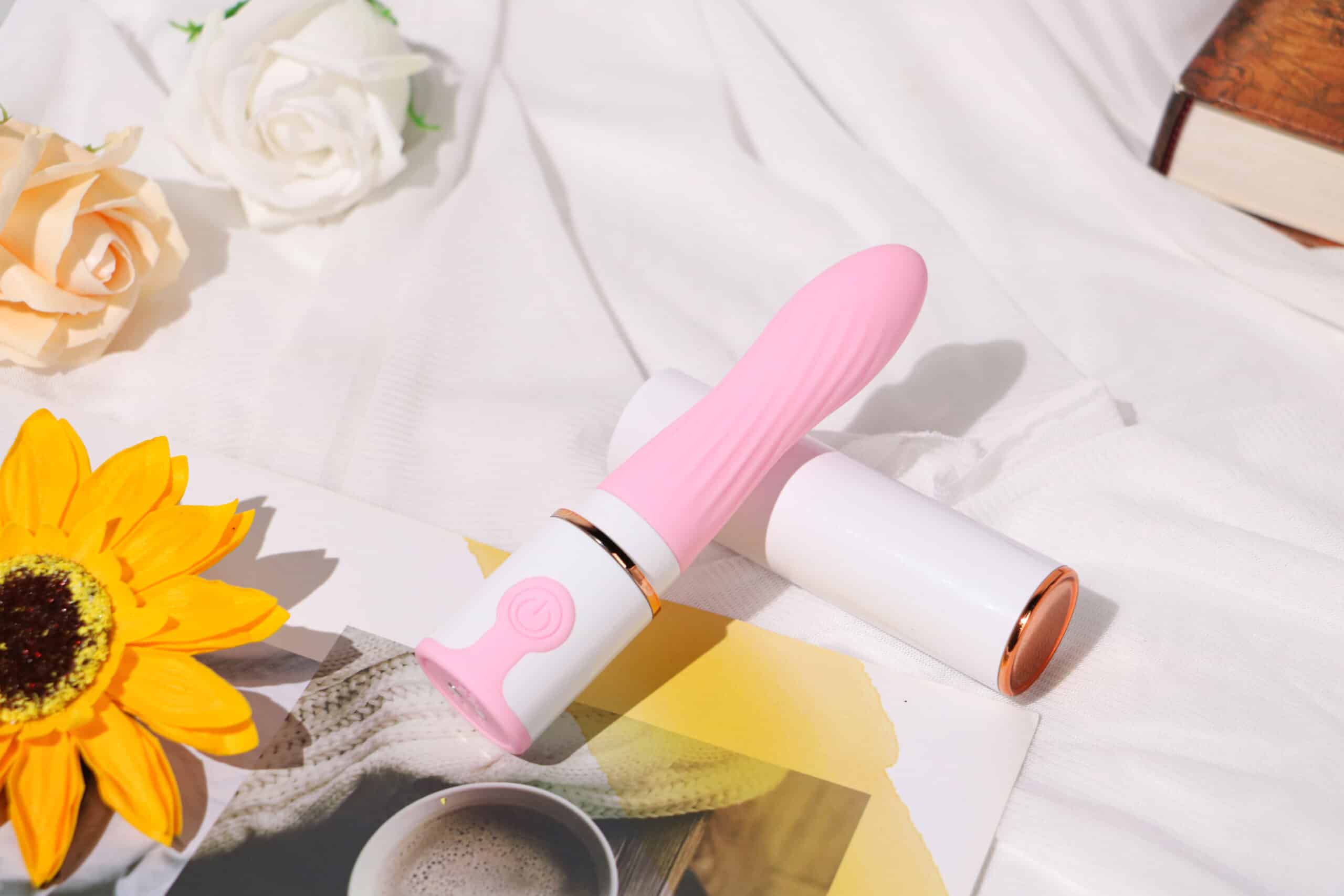
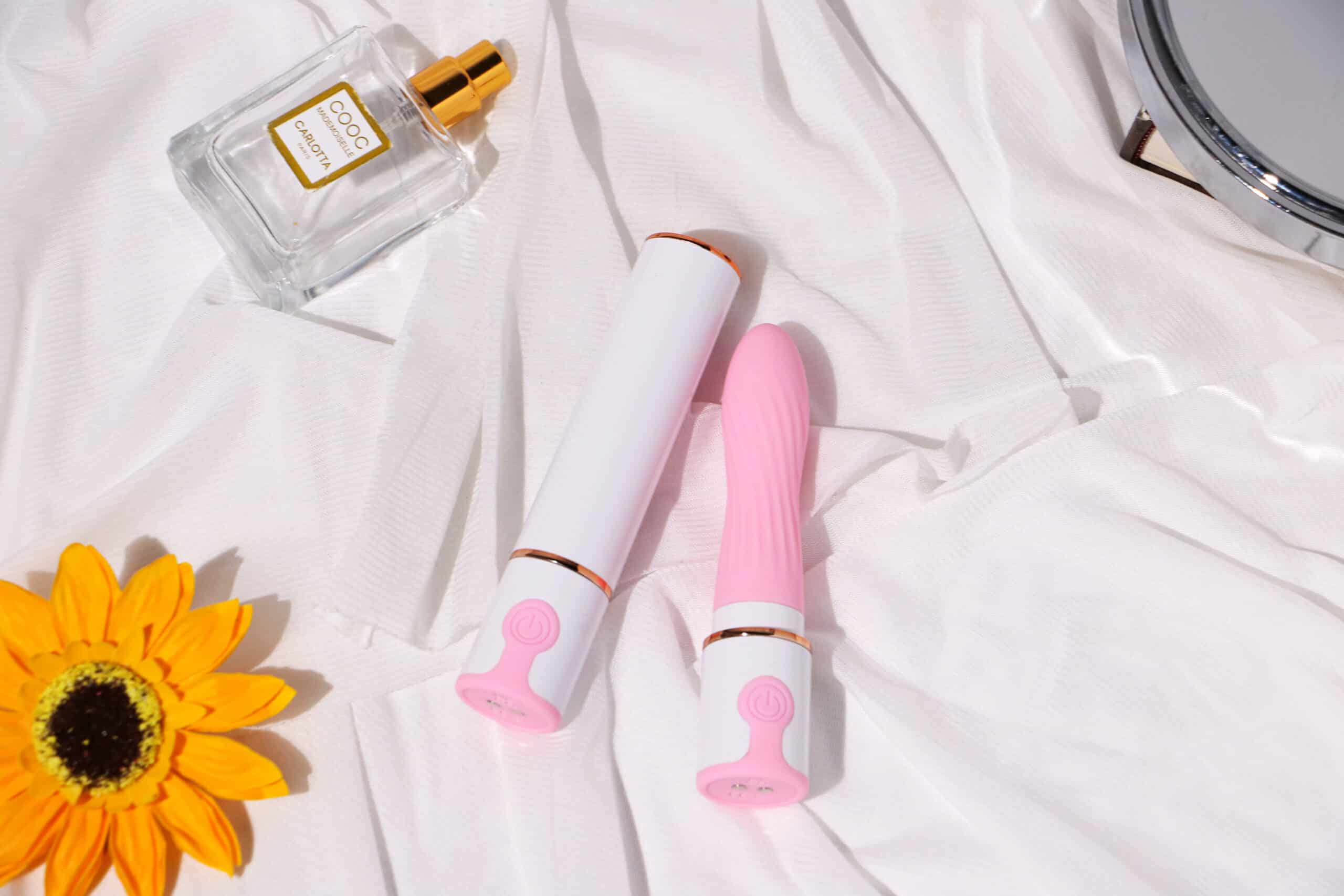
Frame the product using a “lipstick capsule” aesthetic.
By designing products that look like high-end cosmetics, you immediately lower the psychological barrier to purchase.
This approach shifts the narrative from sexuality to beauty and self-care, making the product socially acceptable and easy to carry in a purse.
Step 2: Market as a “Travel Companion”
Capitalize on Asia’s vibrant culture of business and leisure travel.
A compact, discreet product is the perfect “travel companion,” easy to pack and use on the go.
This positioning opens up new marketing channels, from travel blogger collaborations to partnerships with hotel chains.
Step 3: Target as the “Beginner’s Choice”
For many in conservative markets, product intimidation is the single biggest barrier.
A smaller, less aggressive design is immediately more approachable.
Marketing it as the ideal “beginner’s choice” can capture a vast, untapped demographic of curious but hesitant consumers.
Luxora’s ODM Solution: Your Bridge to the Asian Market
Understanding these nuances is one thing; implementing them is another.
That’s where a specialized partner becomes invaluable.
Luxora’s approach is built on deep cultural intelligence.
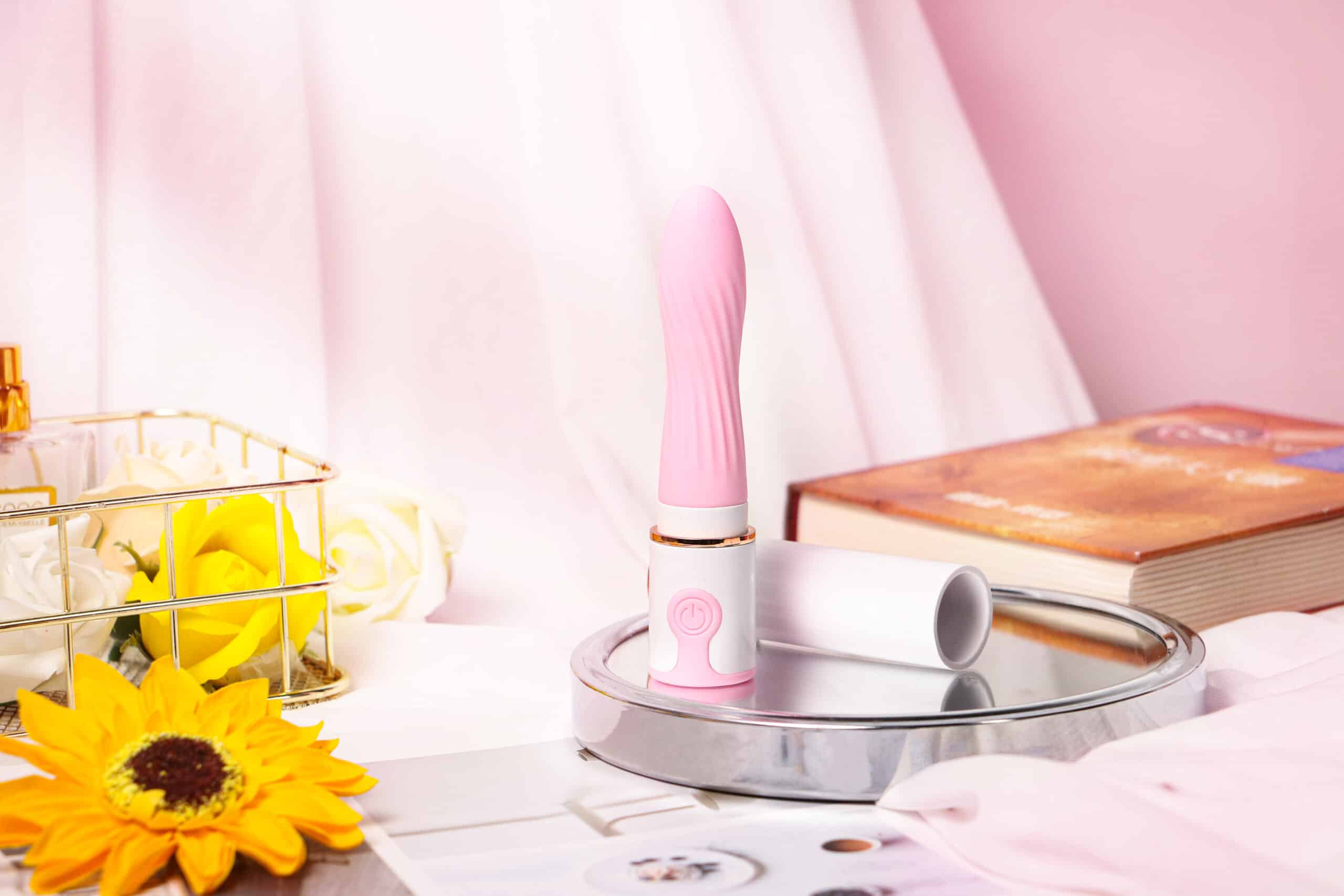
Our dedicated “mini” product series was purpose-built for the Asian market, not simply scaled down from Western designs.
Our Collaborative ODM Process:
-
Market & Cultural Research: Identifying specific regional needs.
-
Customized Design: Focusing on Aesthetics & Ergonomics tailored for Asian bodies.
-
User Focus Group Testing: Validating concepts in target markets like Japan & Korea.
-
Full-Scale Production: Delivering high-quality, culturally resonant products.
Conclusion: Beyond Translation, Towards True Connection
Success in Asia requires recognizing that localization is not a final step in a checklist; it’s the core of the entire strategy.
The intimate products industry is a powerful example of this truth.
Brands that demonstrate a genuine understanding of local values will build the trust needed for long-term success.
Luxora is more than a manufacturer; we are your cultural intelligence partner.
Frequently Asked Questions (FAQ)
Q1: Are there any special functional preferences for products targeting the Asian market?
A1: While specific functions can vary, the primary preference is for discreet, less intimidating designs.
The focus is more on compact, portable, and aesthetically pleasing forms that align with a preference for subtlety and are suitable for smaller living spaces.
Q2: What are the most common mistakes Western brands make when entering the Asian market?
A2: The most common mistake is assuming a “one-size-fits-all” approach.
Directly introducing large-sized products from Western markets often fails because it overlooks the specific physical (e.g., requiring smaller asian dildo dimensions), cultural, and environmental factors of Asian consumers.
Q3: Does Luxora have specific product cases for the Japanese market?
A3: Yes, we have extensive experience developing customized products for specific markets, including Japan.
Our ODM service focuses on creating product lines that are perfectly tailored to the unique aesthetic and size preferences of your target customers in markets like Japan and South Korea.