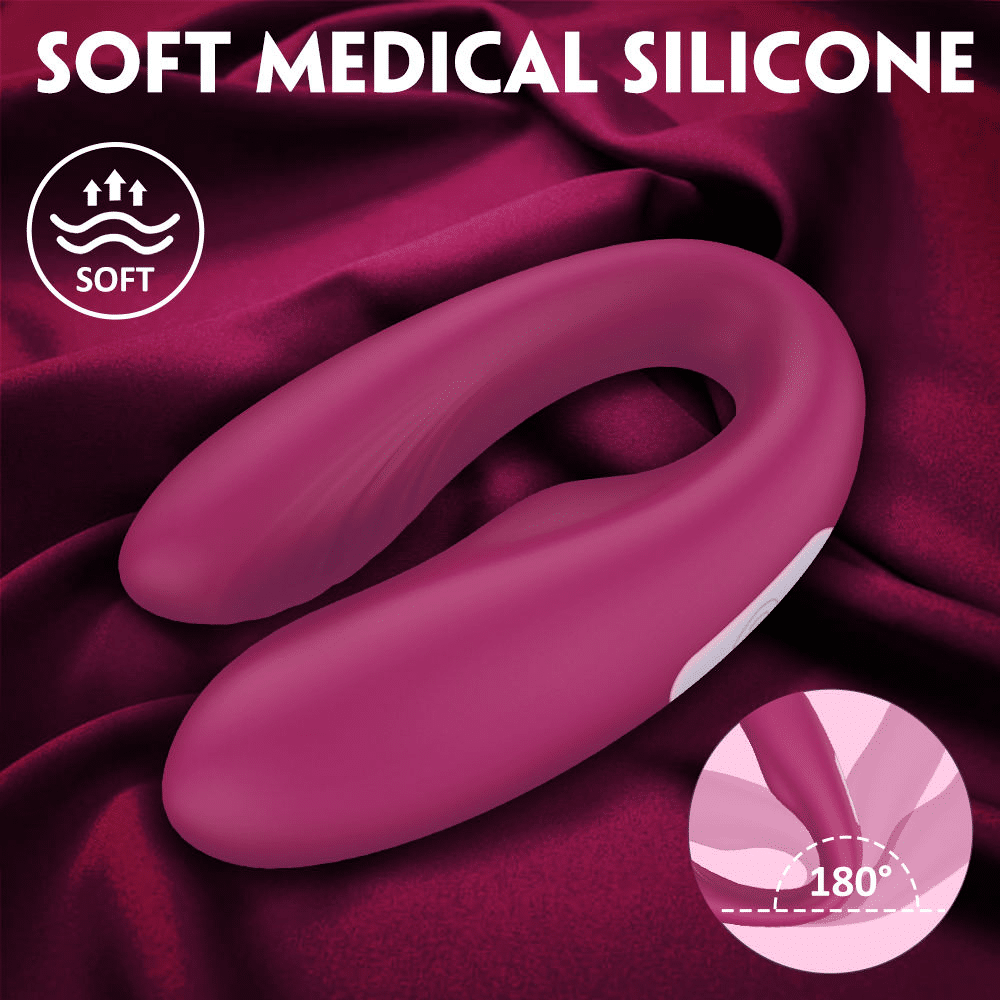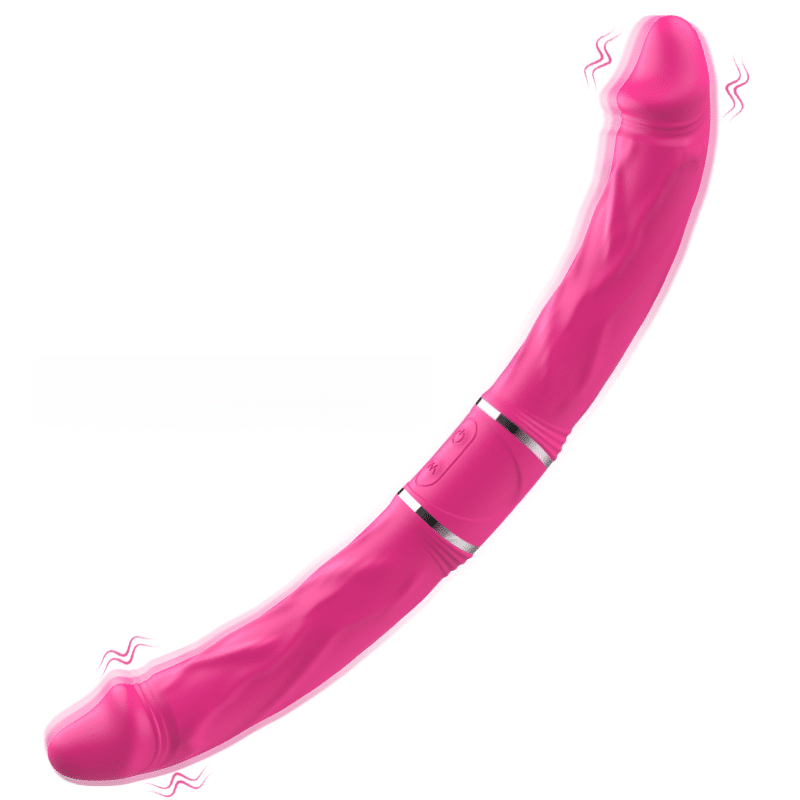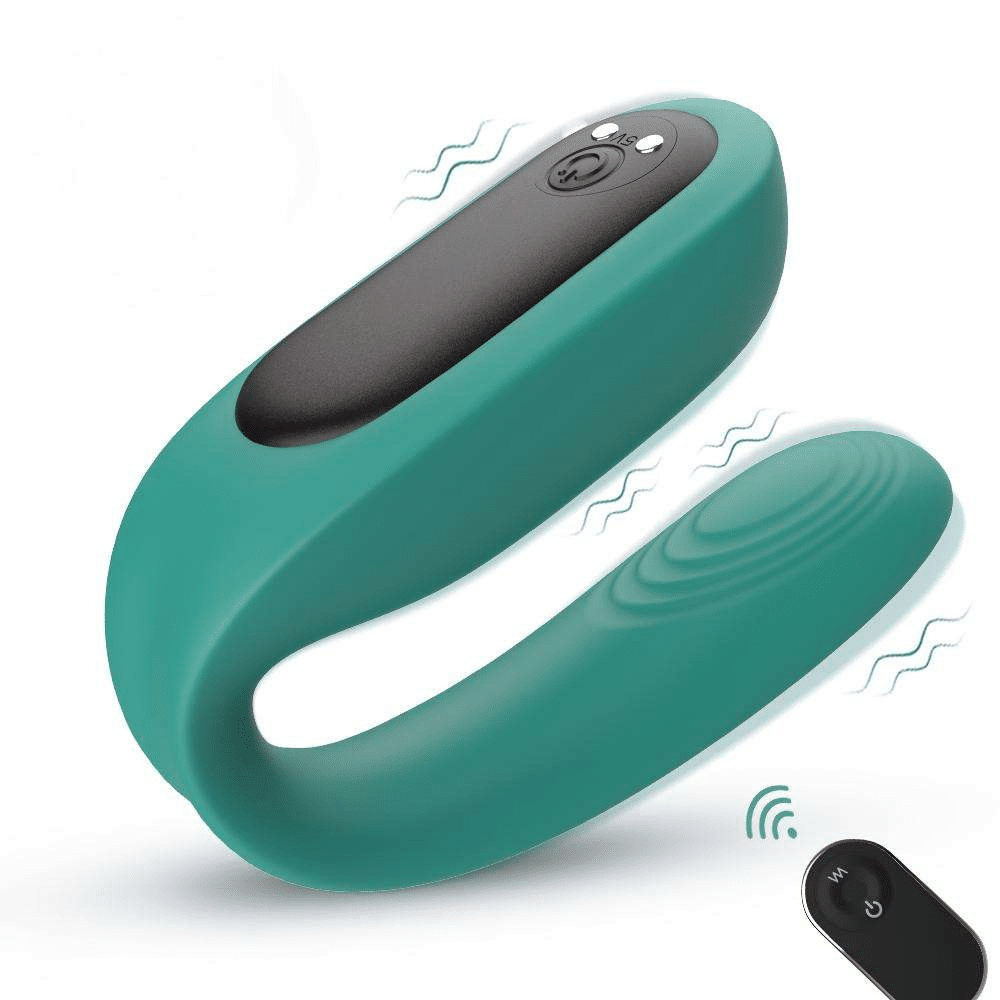
The best design is the one you don’t notice.
In the realm of pleasure products, the pinnacle of ergonomics is not about adding features; it’s about taking away friction.
It’s about creating a product so intuitively integrated with the human body that the user forgets they’re interacting with a device at all.
While others focus on flashy marketing, we believe true excellence emerges from a relentless focus on biomechanics and user-centered design.
For brand owners and product managers in a saturated market, the real battleground has shifted to user experience.
The core challenge is no longer about function, but feel.
This article explores design philosophy. For a complete guide to our engineering capabilities, read our Ultimate B2B Guide to Sex Toy Innovation.
What is Ergonomics in Adult Toys?
Ergonomics in this intimate space is a multi-faceted discipline.
It’s a science that blends anthropometry (the study of human body measurements), biomechanics, and cognitive psychology to ensure a product doesn’t just work, but feels like a natural extension of the body.
To learn more about the core principles, the International Ergonomics Association (IEA) provides a foundational understanding of how this science enhances human well-being.
We focus on three foundational pillars:
| Ergonomic Pillar | Core Objective | Design Considerations |
| Shape & Fit | To conform seamlessly to the body’s natural curves and contours. | Anatomical accuracy, neutral posture support, dimensional variations for diverse user populations. |
| Weight & Balance | To eliminate fatigue and ensure comfort during prolonged use. | Strategic center of gravity, lightweight materials, and grip designs that minimize strain on the hand and wrist. |
| Interaction & Control | To make operation completely intuitive, even without looking. | Tactile feedback, logical button placement where fingers naturally rest, and a simplified interface for “blind operation.” |
The Luxora Design Process: A Journey from Data to Delight
Achieving an “invisible” design isn’t accidental; it’s the result of a rigorous, iterative process.
Our methodology follows a clear, three-phase journey.
Phase 1: Foundation – Deep User Research
Our process begins with data.
We go beyond surveys to capture detailed anthropometric data from diverse global populations.
We analyze hand grip patterns, finger reach, and pressure preferences because what feels natural to one user can feel awkward to another.
Phase 2: Iteration – Rapid Prototyping & Evaluation
Next, we use advanced 3D modeling and printing to turn concepts into tangible prototypes quickly.
This allows our design team to immediately conduct hands-on evaluations.
This accelerated cycle—sketch, print, test, repeat—lets us explore dozens of variations efficiently.
👉 Related: How we use rapid prototyping for 48-hour iteration
Phase 3: Validation – Rigorous User Testing & Refinement
Finally, we source testers who match specific customer profiles for structured studies.
The feedback loop continues relentlessly until testers report the product feels completely intuitive.
I’ve witnessed firsthand how a single millimeter adjustment in button placement can transform a product from merely functional to genuinely magical.
Case Study: Crafting the “Perfect Fit”
The power of this process is best seen in action.
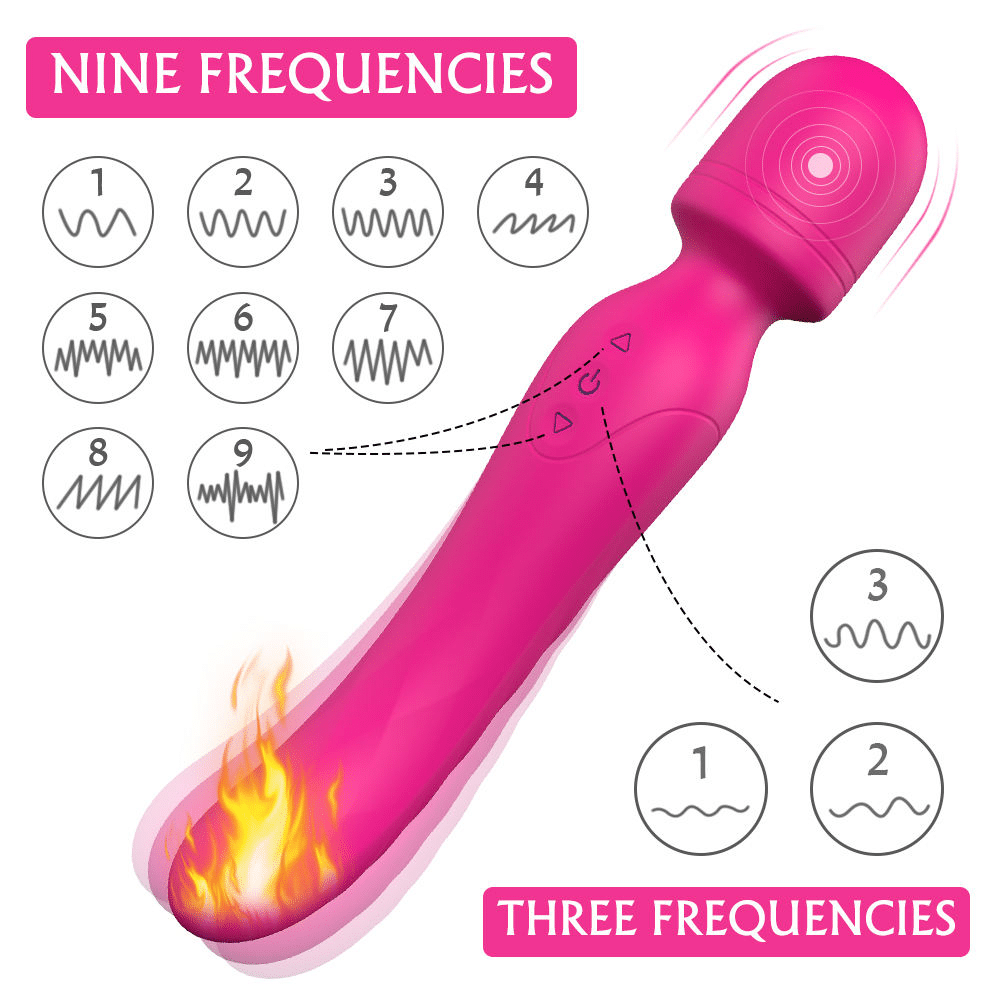
We partnered with a premium European brand whose flagship massager was receiving complaints of user fatigue after just 15 minutes—a critical failure.
Our ergonomic analysis pinpointed three core flaws. Here’s how we fixed them:
| Issue Identified | Our Ergonomic Solution | The Result |
| Excessive Grip Pressure | Reduced the device diameter by 8mm and added subtle finger grooves. | Eliminated the need for a tight, fatiguing squeeze, allowing for a relaxed grip. |
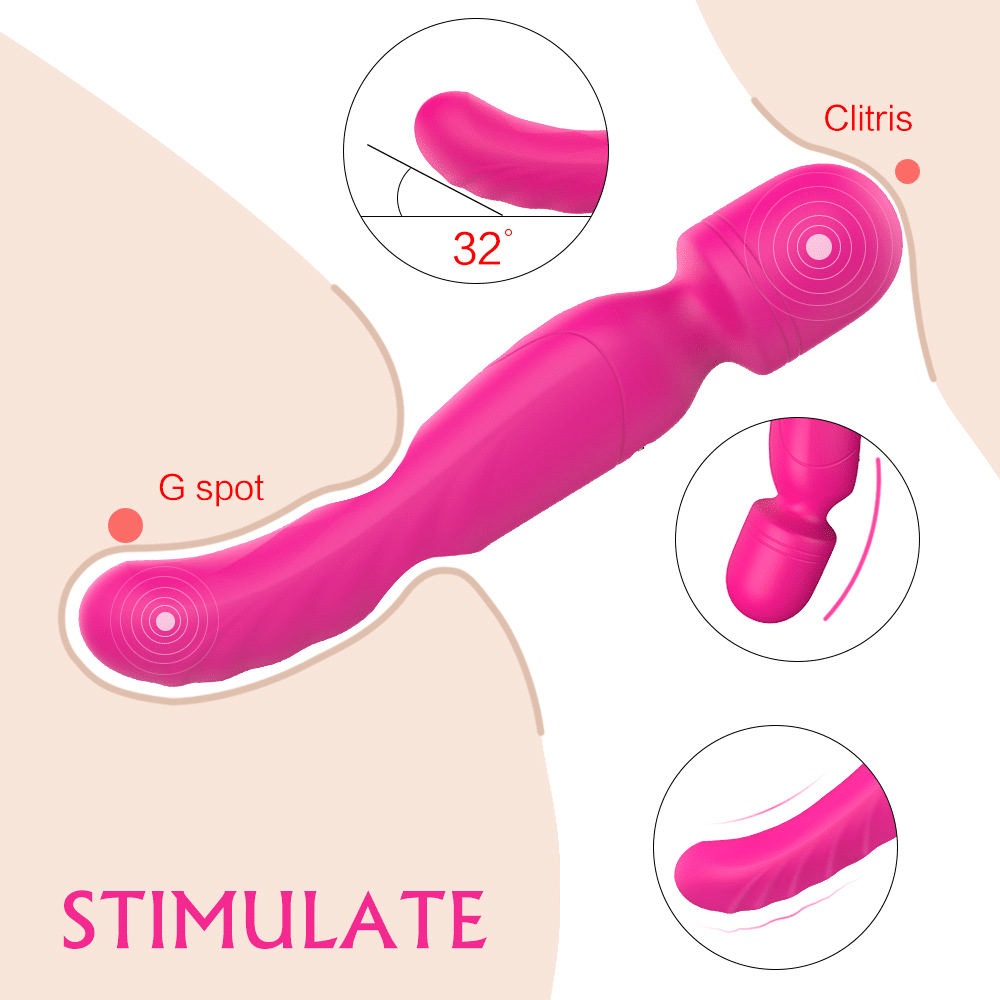
| Awkward Wrist Angle | Adjusted the primary curve angle from 45° to 32°, based on biomechanical data. | Promoted a neutral wrist posture, drastically increasing comfort during extended use. |
| Unintuitive Controls | Moved buttons from the top to a side-thumb position with tactile markers. | Enabled seamless control adjustment without shifting grip, making the experience fluid. |
This is the Luxora ODM Advantage.
Instead of treating ergonomics as a final checklist item, we make it the driving force behind every design decision.
Ergonomics: Your Invisible Competitive Advantage
In today’s market, ergonomics is the ultimate competitive moat.
When executed masterfully, users don’t say, “this has great ergonomics.”
They just feel that your product works better than anything else they’ve tried.
This unconscious preference builds powerful brand loyalty that marketing alone cannot replicate.
By choosing to partner with us, you’re not just investing in design; you’re investing in a methodology that transforms user interaction into an effortless sensory experience.
Frequently Asked Questions (FAQ)
Q1: How much does ergonomic design affect product cost?
A1: While ergonomic design requires an initial investment in research and development (R&D), it can actually lower costs in the long run.
By increasing user satisfaction and brand loyalty, reducing returns, and creating a more competitive product, the ROI is significant.
Q2: How do you design ergonomic products for different genders?
A2: Our process is data-driven.
We study the anatomical differences and specific needs of various user groups.
Through extensive user testing and feedback, we create designs that are either gender-specific or universally comfortable, ensuring inclusivity.
Q3: How can clients participate in the ergonomic design process in an ODM partnership?
A3: We welcome client collaboration.
Clients can be involved in every stage, from initial concept and user research to providing feedback on prototypes.
Your insights are crucial to creating a product that aligns with your brand vision and meets user expectations.