Many of our clients have learned the hard way by neglecting the charging experience—relying on outdated DC round-hole charging ports leads to poor user satisfaction.
Just imagine: at the peak of enjoyment, what’s the most frustrating thing? — Running out of power.
A seemingly minor charging solution directly impacts users’ core concerns: “Battery Anxiety” and “Interrupted Anticipation.”
At Luxora, we believe that “Sensory Art” should never be interrupted by a missing cable.
This article details our power solutions. For a comprehensive guide to our engineering capabilities, read our Ultimate B2B Guide to Sex Toy Innovation.
How a Bad Charging Experience Can Ruin a Good Product
The traditional DC circular charging port is a masterclass in how a small design choice can sabotage a great product.
The flaws run deeper than inconvenience—they create genuine stress.
I’ve learned this the hard way, frantically searching for a proprietary cable for a ‘relaxing’ device right when I needed it most.
This is a feedback loop where charging concerns actively discourage the very use that drives brand loyalty.
Here’s a breakdown of how outdated ports create user frustration:
| Pain Point | Technical Flaw | The User’s Anxiety (The Real Impact) |
| Cable Chaos | Proprietary, non-universal connectors. | “Where is that specific cable?” The frantic search for a unique cord that has no replacement. |
| Fragile & Unreliable | Delicate pins and ports are easily damaged. | “Am I plugging this in correctly?” Hesitation replaces natural interaction. |
| Water Damage Risk | Open, unsealed ports are vulnerable to moisture. | “I hope I didn’t get water in the port.” Constant fear that cleaning will destroy the device. |
| Inconvenient Connection | Requires precise alignment and manual insertion. | “I can’t get it to plug in.” The struggle to connect a cable breaks the mood completely. |
The Evolution of Modern Charging: A Three-Step Journey
The journey from frustrating, proprietary chargers to elegant, modern solutions has been a clear technological progression.
to tech analysis by TechCrunch (The Death of Proprietary Ports), the consumer electronics world is moving relentlessly towards universal and sealed solutions.
Step 1: The Era of DC Circular Ports (The Problem)
The original standard, defined by its limitations.
-
Pros: It provided power.
-
Cons: Non-universal, fragile, not waterproof, and inconvenient.
Step 2: The USB Revolution (The Universal Fix)
USB, especially modern USB-C, marked a pivotal breakthrough by liberating users from proprietary cables.
-
Pros: Universal standard, widely available cables.
-
Cons: Still required precise insertion, and exposed ports compromised true waterproofing without clumsy rubber flaps.
Step 3: The Magnetic Leap (The Ultimate Solution)
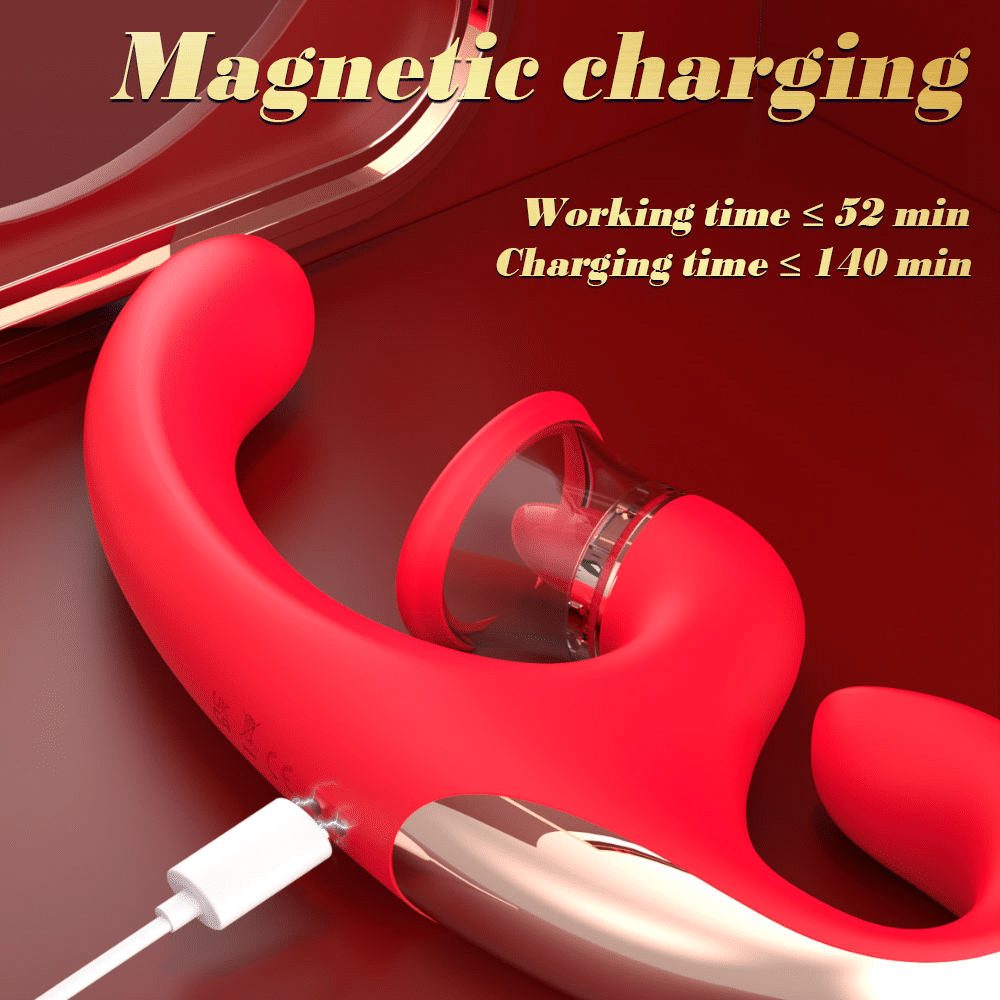
Magnetic charging evolved beyond USB’s constraints, delivering what can only be described as “snaps on in a second” convenience.
It transforms charging from a chore into an effortless, premium gesture.
-
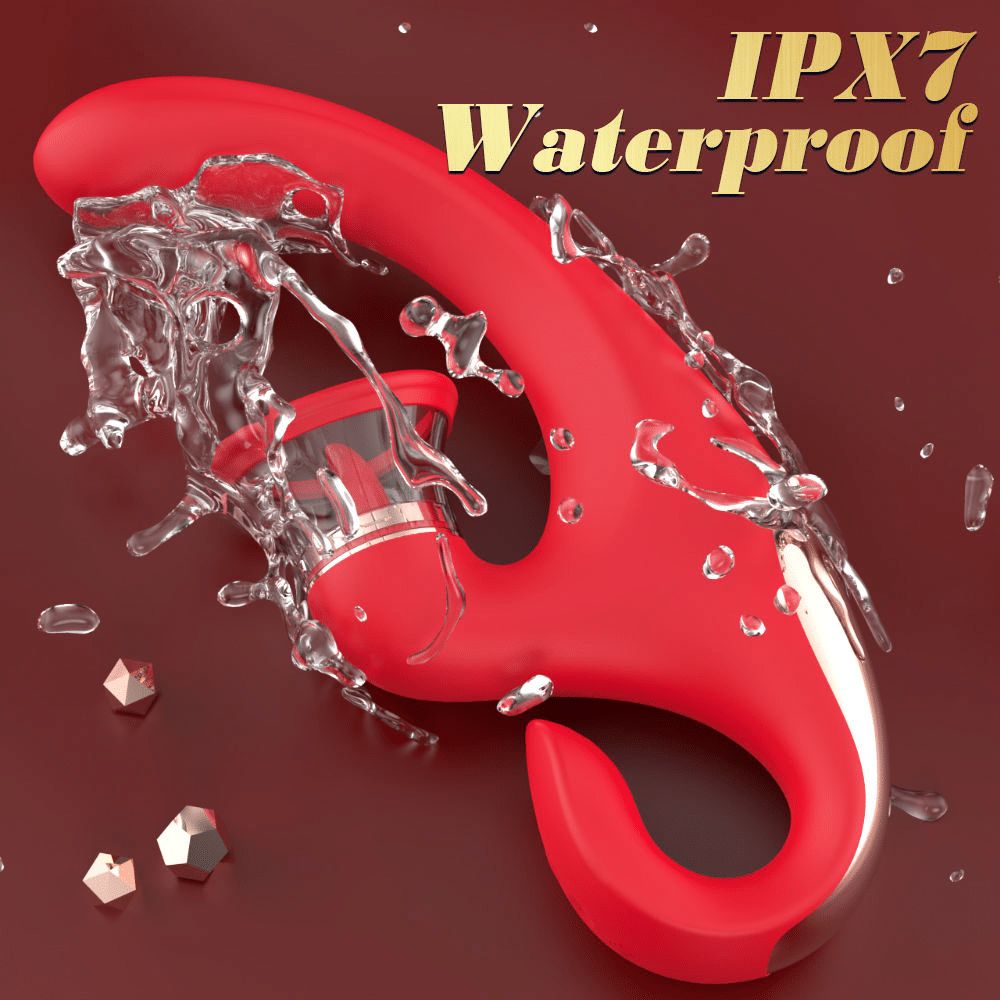
Pros: Instant connection. Enables fully sealed, IPX7 waterproof designs. Communicates a high-tech, premium value.
Luxora Provides a Leading-Edge Charging Solution
At Luxora, we have strategically made magnetic charging the cornerstone of our new product portfolio.
This isn’t just an off-the-shelf component; it’s an engineered system.
Key Technical Features:
-
High-Efficiency Power: Delivers a consistent 15W power transfer with over 90% efficiency, rivaling leading consumer tech like Apple’s MagSafe.
-
Advanced Safety Protocols: Integrates overcurrent protection and thermal management to preserve battery longevity.
-
Universal Luxora Ecosystem: Our magnetic cable is universal across our entire new product range.
The Business Case for Magnetic Charging:
| Metric | Traditional USB / DC Port | Luxora Magnetic Charging |
| Unit Component Cost | Base Cost | + < $3 |
| Potential Price Premium | $0 | + $15 – $25 |
| Warranty Claims (Port Failure) | Industry Average: ~3-5% | Reduction of over 70% |
| Perceived Brand Value | Standard / Commodity | Premium / Innovative |
Conclusion: Charging as a Competitive Advantage
Consumer satisfaction hinges on moments when technology either works seamlessly or betrays user trust.
No component sits more squarely at this intersection than the charging solution.
While users may never praise a flawless charging experience, they will definitively notice—and abandon—a product that fails them.
Investing in magnetic charging is not an expense; it is a strategic decision with a clear return.
The data shows that superior charging solutions correlate directly with higher satisfaction scores.
Frequently Asked Questions (FAQ)
Q1: What’s the difference between magnetic charging and wireless charging?
A1: Magnetic charging uses magnets to create a secure physical electrical connection (Pogo pins), offering faster and more efficient charging.
Wireless (inductive) charging uses an electromagnetic field, which can be less efficient, generate more heat, and require precise placement on a charging pad.
Q2: How much more does magnetic charging cost than traditional charging?
A2: While the component cost is slightly higher (typically <$3), the return on investment is significant.
It enhances user experience, increases your product’s perceived value (allowing for a $15-$25 premium), and reduces long-term costs from warranty claims on damaged ports.
Q3: Are Luxora’s magnetic charging cables universal?
A3: Our magnetic charging cables are designed to be universal across Luxora’s new range of products that feature this technology.
This ensures a consistent experience for users who own multiple Luxora devices.
However, they may not be compatible with chargers from other brands due to polarity differences.