In the adult toy industry, a single decision can determine a brand’s fate: material selection.
It directly impacts product safety and customer trust.
While clever marketing can capture attention, it is ultimately the material that touches the user’s skin that decides whether a brand can earn long-term loyalty.
For B2B buyers, distinguishing superior materials from inferior ones is a challenge.
Believe me, I have personally seen well-marketed brands collapse almost overnight because of a single batch of low-quality material; it’s a painful lesson you do not want to learn firsthand.
Today, let’s thoroughly understand what real “body-safe silicone” is and how to verify it, allowing you to build your brand on the solid foundation of safety and quality.
This guide focuses on material safety. For a broader look at our manufacturing standards, read our Ultimate B2B Guide to Quality Control & Supply Chain.
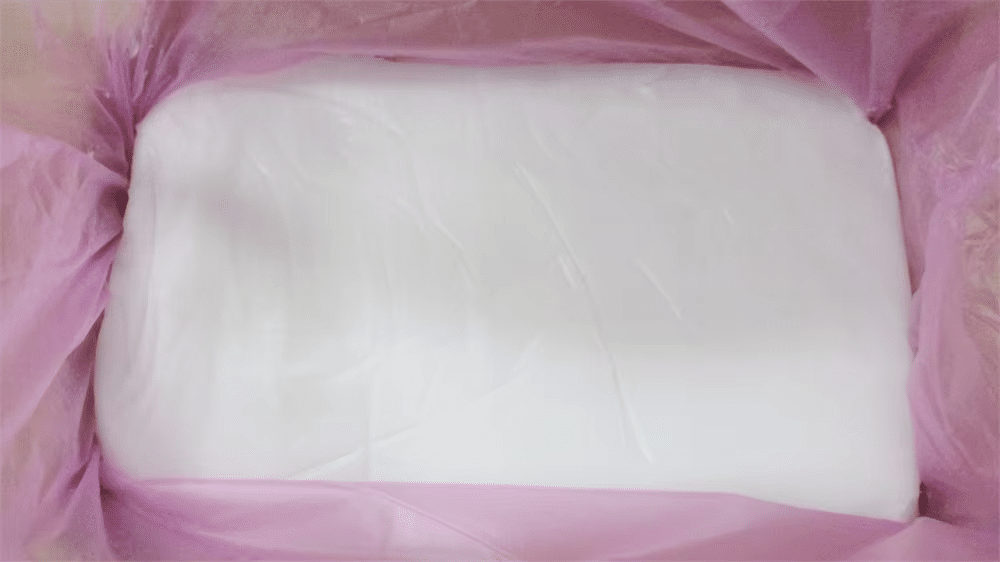
What is Body-Safe Silicone?
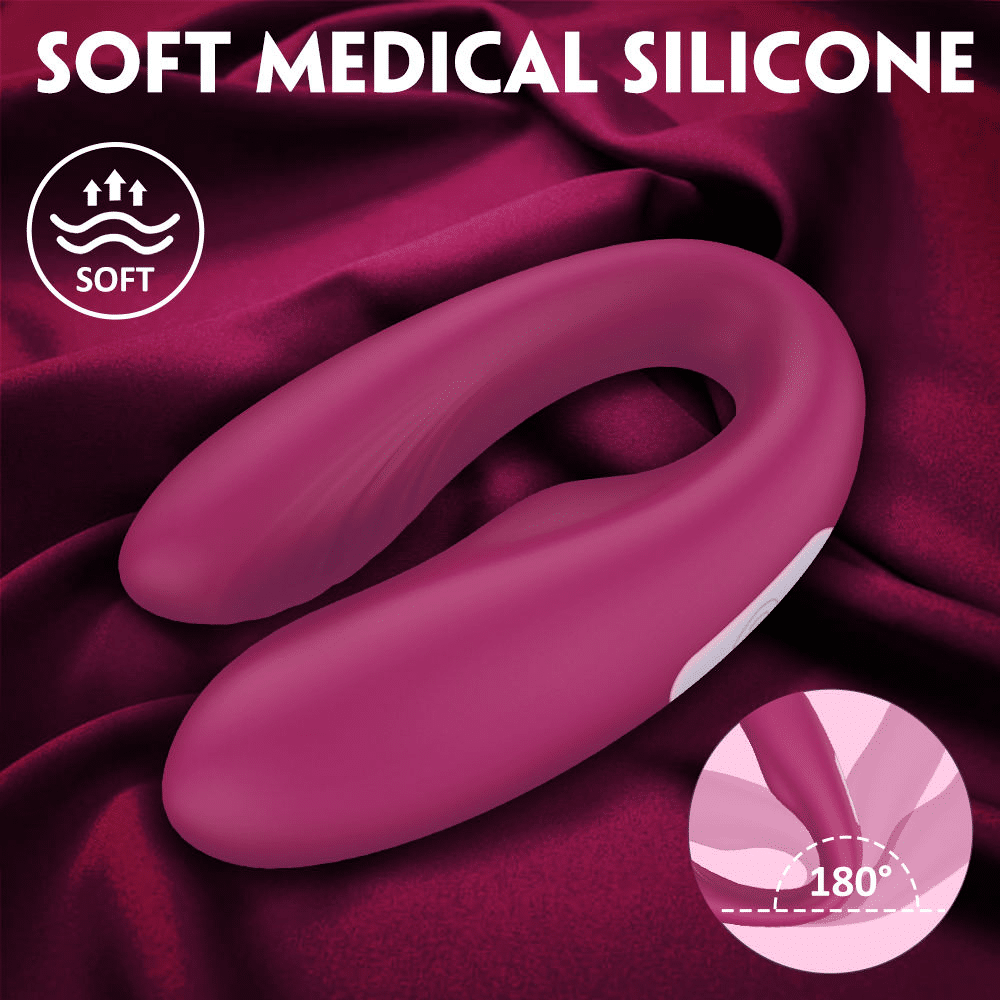
“Body-safe silicone” is the highest standard for material safety in intimate products.
It specifically refers to platinum-cured silicone, and its core characteristics include:
-
Completely Non-Porous: The surface is smooth and without micropores, so it does not harbor bacteria and is extremely easy to clean.
-
Chemically Inert: It is non-toxic, free from harmful substances like BPA and phthalates, and does not react with bodily fluids.
-
Hypoallergenic: Its pure chemical nature makes it highly unlikely to cause allergic reactions.
-
Extremely Durable: It can withstand high temperatures (for sterilization by boiling) and does not degrade over time.
Not all silicones are created equal.
The key difference lies in the “curing” process. Platinum-curing leaves no chemical byproducts, resulting in an odorless final product.
In contrast, the cheaper tin-curing process releases byproducts, which is the source of the “chemical smell” in low-quality silicone.
Material Comparison: Silicone vs. Other Alternatives
This table allows you to visualize the superiority of silicone.
| Feature | Body-Safe Silicone | TPE / TPR | PVC / “Jelly” |
| Porosity | Non-Porous | Porous | Porous |
| Safety | Excellent (Non-toxic) | Poor (May leach) | Very Poor (Phthalates) |
| Cleaning | Very Easy (Boilable) | Difficult to sanitize | Difficult to sanitize |
| Durability | Excellent | Poor (Degrades) | Poor (Sticky/Brittle) |
| Odor | Odorless | Rubbery smell | Chemical smell |
| Cost | High | Low | Very Low |
How to Identify Real Body-Safe Silicone?
Professional buyers never rely on a supplier’s verbal promises; instead, they verify through documents and physical inspection.
Step 1: Written Document Review
Reliable suppliers are never afraid to provide proof. Your checklist must include:
-
ISO 10993 Biocompatibility Report: The international standard for medical devices. Focus on the test results for Part 5 (Cytotoxicity) and Part 10 (Sensitization). You can verify standards at ISO.org (International Organization for Standardization).
-
FDA Compliance Certificate: For the US market, the material must meet FDA standards for food contact or medical devices.
-
Third-Party Test Reports (e.g., SGS): Independent reports that verify the material is free from heavy metals and phthalates.
Step 2: Physical Sensory Tests
After the documents are approved, you must test the samples yourself.
-
Smell Test: Real platinum silicone is completely odorless. Any chemical smell is a danger signal.
-
Touch Test: Pure silicone feels silky and is never oily. It should immediately return to its original shape after stretching.
-
Flame Test (Destructive): Warning: Conduct safely. When burned, pure silicone turns into white ash and white smoke. TPE/plastics melt into sticky black liquid and black smoke.
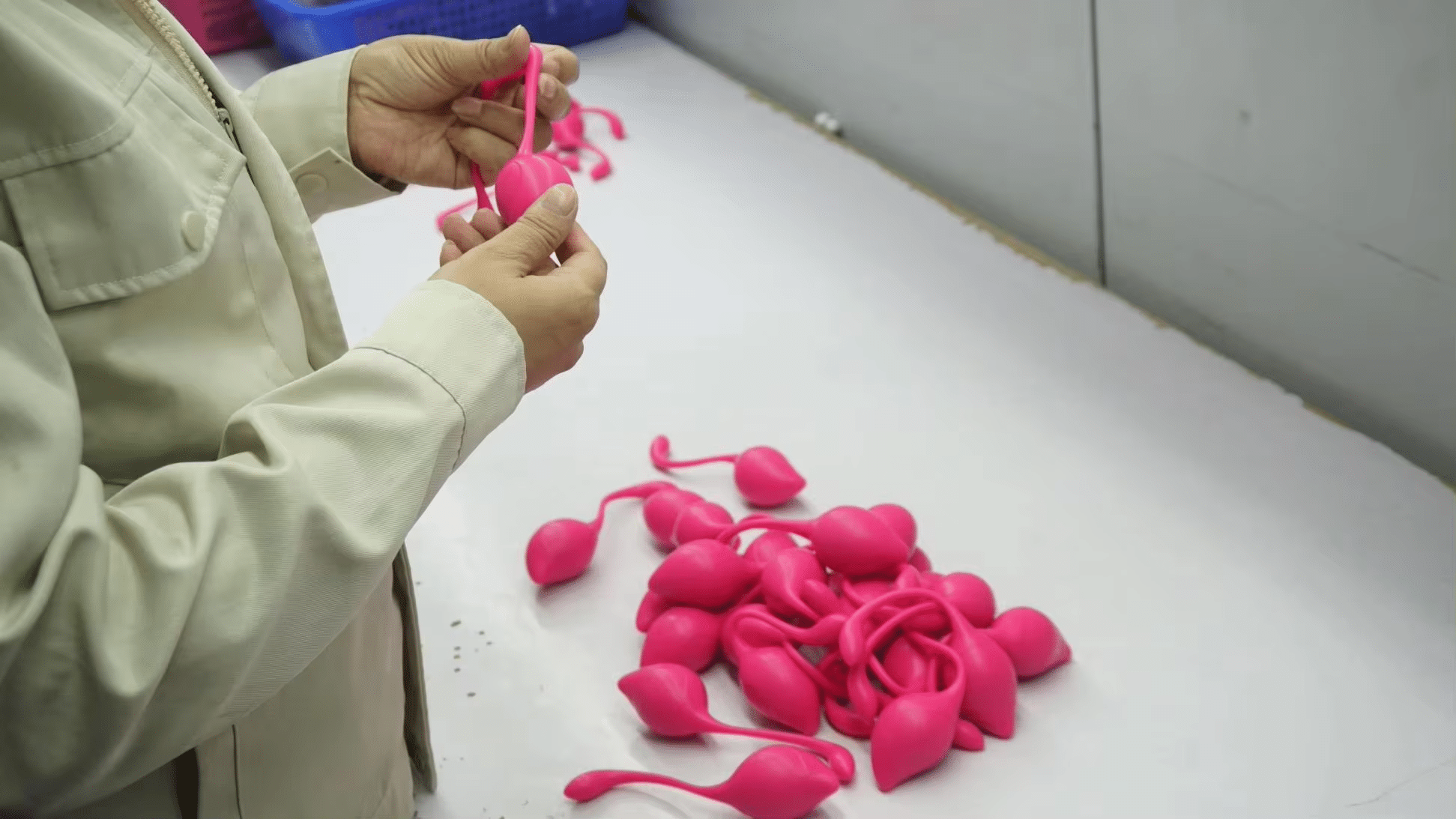
Luxora’s 100% Body-Safe Silicone Commitment
At Luxora, we know that what you entrust to us is not just an order, but your brand’s reputation.
We promise to provide fully transparent documentation support, including all necessary safety certificates like SGS and ISO 10993.
This level of certification is your passport to entering high-end global retail channels.
At the same time, we are more than just a supplier; we are your material strategy consultants.
Our team of experts will recommend the most suitable medical-grade silicone solution based on your product positioning and target cost.
Conclusion: Choose a Solid Foundation for Your Brand
Material selection is not an ordinary purchasing decision but a strategic investment that determines your brand’s destiny.
Viewing medical-grade silicone as a “cost” is a short-sighted perspective.
It is, in fact, your brand’s most essential business insurance.
By choosing a partner who places safety first, you build the most solid foundation for your brand.
In doing so, you will gain a lasting competitive advantage—the genuine trust of your customers.
Ready to build a brand on trust? Talk to a LUXORA expert about our material safety standards today.
Frequently Asked Questions (FAQ)
Q1: Which is better, body-safe silicone or TPE?
A1: Body-safe silicone is the better choice.
It is non-porous, meaning it won’t harbor bacteria, and it’s hypoallergenic, durable, and easy to sterilize.
While TPE is cheaper, it is porous and difficult to clean thoroughly.
For products that come into direct contact with the body, silicone is the gold standard for safety and quality.
Q2: Why do some silicone toys have a pungent or chemical smell?
A2: True, high-quality medical-grade or body-safe silicone is virtually odorless.
A strong chemical smell is a major red flag and usually indicates that the product is not made of 100% pure silicone.
It might be mixed with cheap fillers or be a low-grade industrial silicone, which is not safe for direct contact.
Q3: What material certification documents should I ask the factory for?
A3: You should always ask for key safety documents.
The most important are SGS test reports for the specific material, as well as documents proving the silicone meets FDA standards (for the US market) or EU food-grade contact standards.
We maintain transparency and provide these documents to our B2B partners.