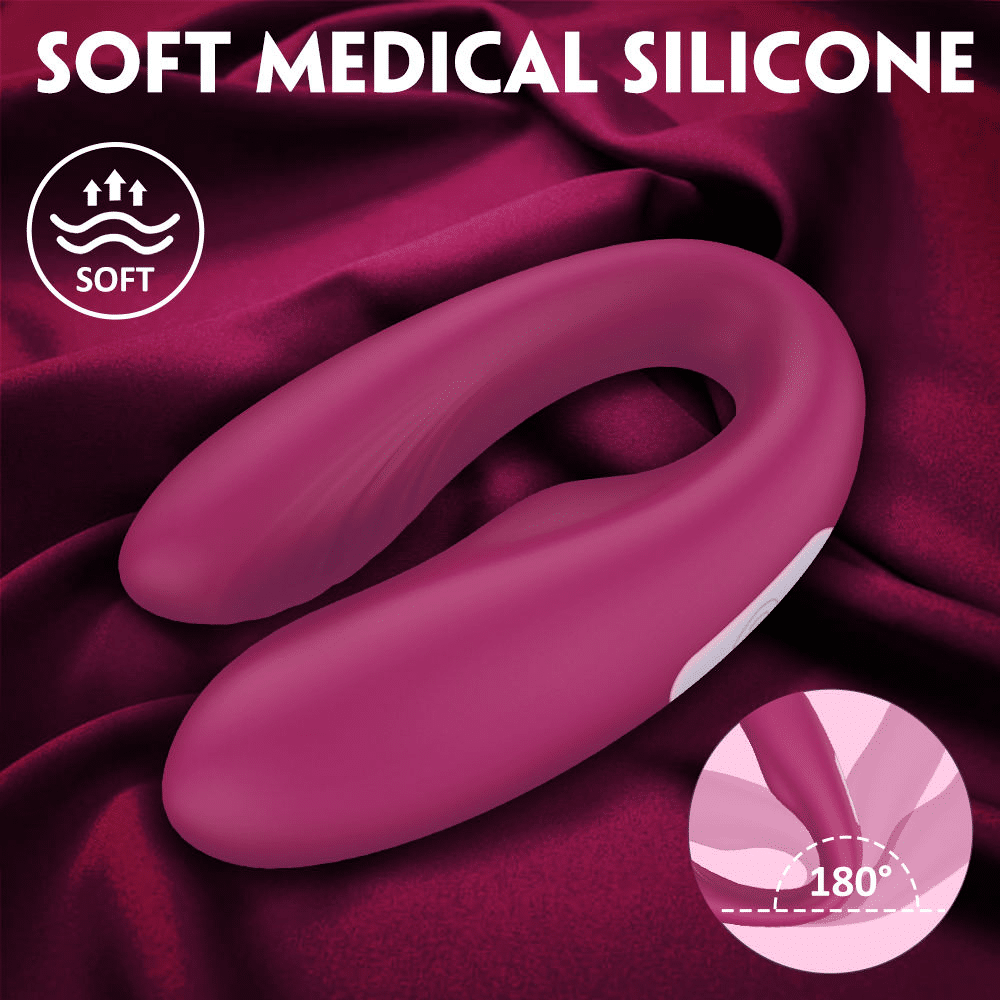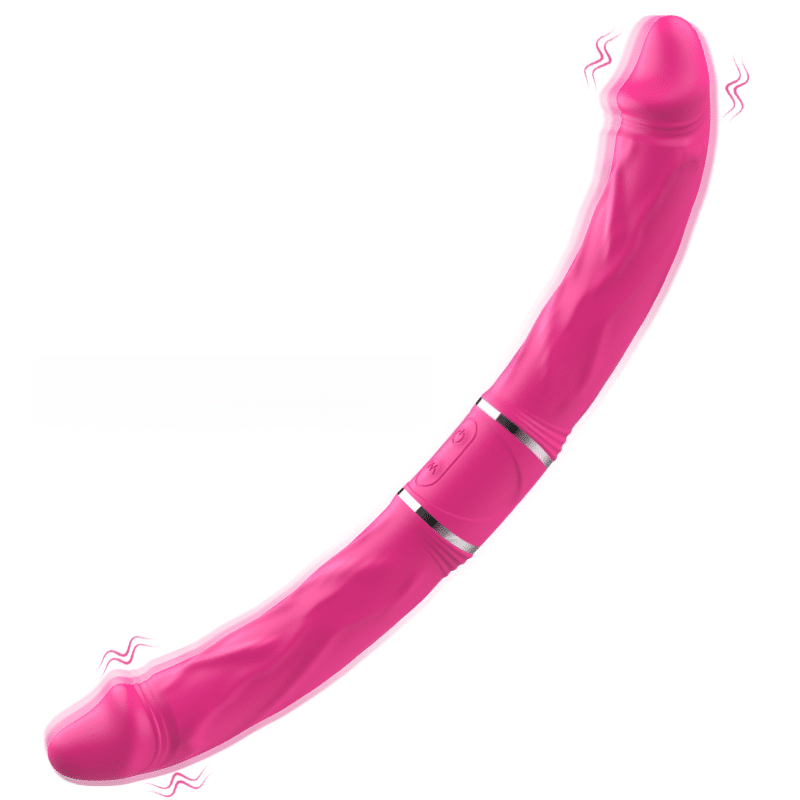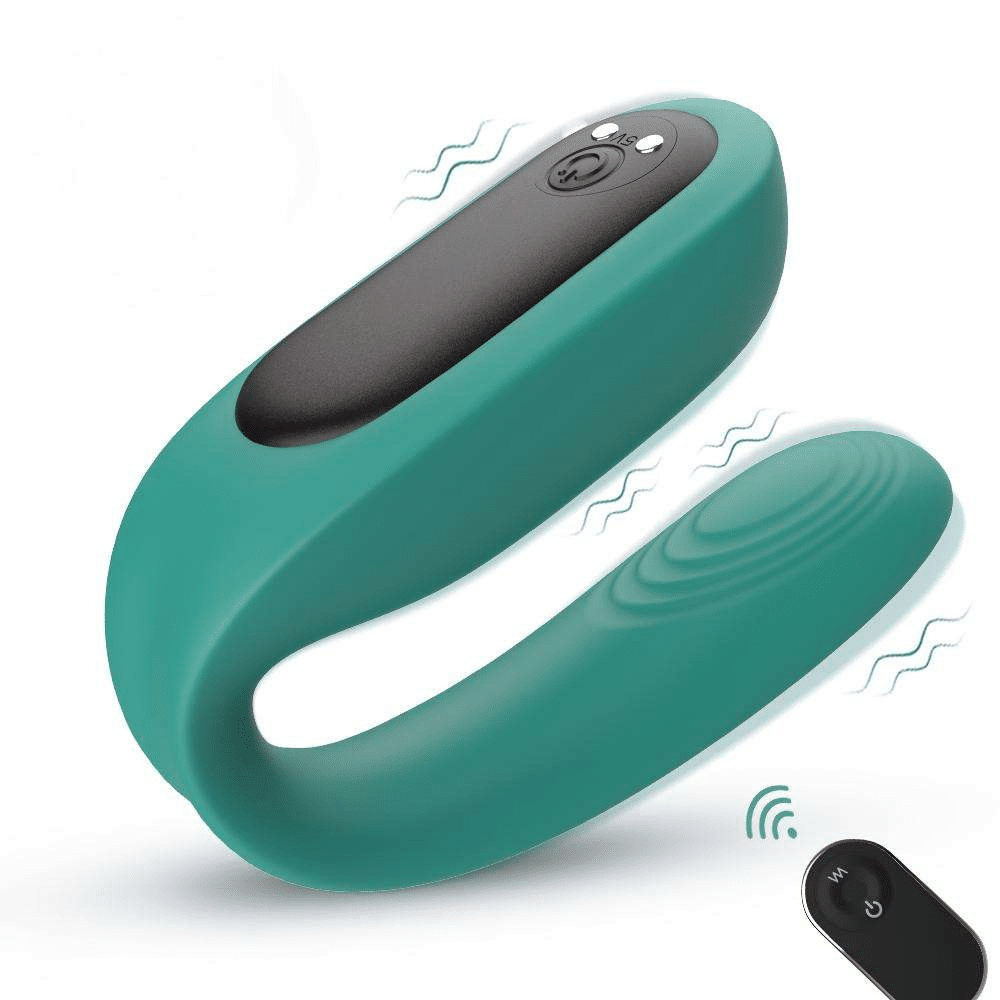
In the world of adult novelty products, a slight difference can make a huge difference.
A 0.1 mm change in a curve can mean the difference between “no sensation” and “perfect fit.”
When the market is flooded with identical products that look the same, the real difference lies in the experience.
Thoughtful ergonomic design is an invisible competitive advantage that can transform an ordinary product into a market leader.
At LUXORA, we don’t just design shapes; we engineer “Sensory Art”.
We believe that the best design is the one you forget is there—because it feels like a natural extension of the body.
This article explores our design philosophy. For a complete technical overview, read our Ultimate B2B Guide to Sex Toy Innovation.
What is Ergonomics in Pleasure Products?
Ergonomics in intimate products is the sophisticated intersection of human anatomy, biomechanics, and pleasure engineering.
It’s a science where every curve, weight distribution, and tactile element serves a deliberate purpose.
This goes far beyond aesthetics; it’s about designing for comfort, effectiveness, and enhanced pleasure by understanding that different bodies require different approaches.
To understand the core principles, the International Ergonomics Association (IEA) provides a foundational definition of how this science enhances human well-being.
The Three Pillars of Ergonomic Success:
| Pillar of Ergonomics | Design Focus & Methodology | The User Benefit |
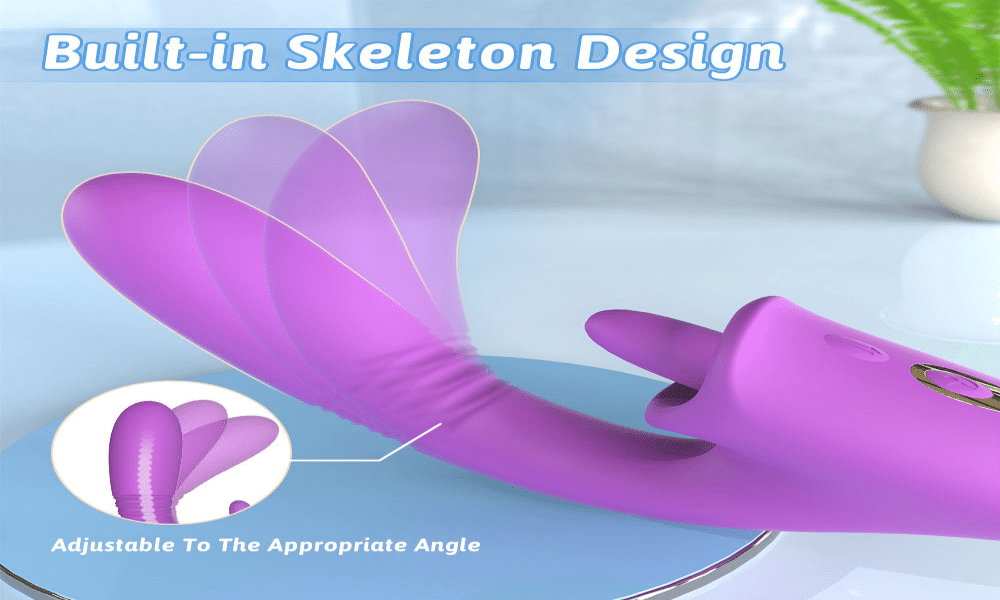
| Shape & Anatomical Fit | We analyze diverse anatomical data to create specialized profiles. Curved shapes target the G-spot or prostate, while contours fit perfectly in the hand. | Enhanced Sensation & Comfort. The right shape delivers targeted pleasure generic designs cannot achieve, feeling like a natural extension of the body. |
| Weight & Balance | The center of gravity is meticulously calculated. We use lightweight materials and optimized internal layouts to ensure the device feels effortless to hold. | Fatigue-Free Use. A well-balanced product eliminates hand cramping and wrist strain, allowing for longer, uninterrupted, and immersive moments. |
| Interface & Interaction | Buttons are placed for intuitive access with distinct textures. The logic is simplified for “blind operation,” ensuring users can cycle settings without looking. | Effortless Control. Users can remain in the moment without fumbling with complicated controls. The experience is seamless and distraction-free. |
Luxora’s Design Process: From Sketch to Hundreds of Prototypes
Our process isn’t just a linear path from sketch to prototype; it’s a relentless, hands-on odyssey to perfection. Here is how we break it down:
Step 1: Foundational User Research
It all starts with a meticulous commitment to user research.
For us, this means more than just generic data; it’s about gathering real hand shapes and intimate body measurements from a dazzlingly diverse pool of actual people.
This crucial groundwork sets the specifications for everything that follows.
👉 Deep Dive: How we co-create with users to find the “Soul” of a product
Step 2: Digital Crafting & 3D Modeling
With the data in hand, our designers conjure digital curves and contours in the 3D modeling phase.
They tweak every millimeter until the CAD renders almost begin to look alive.
But we know digital perfection isn’t enough.
Step 3: Rapid Prototyping & Physical Testing
Nothing beats holding a physical prototype.
We fire up rapid 3D printing to translate those digital intentions into tangible models.
These are immediately ready for firsthand scrutiny and the kind of ergonomic adjustments that only real touch can uncover.
Step 4: Relentless Iteration Through Feedback
From there, it’s a whirlwind of testing.
We invite testers for deep-dive experiences, gathering feedback and uncovering surprises that often prompt designers to pivot and iterate.
This involves making micro-adjustments so small they’d make a ruler sweat.
There have been nights when a prototype’s curve missed by just 0.1mm, and I felt it—literally and emotionally.
Only when the product earns rave reviews for comfort, anatomical accuracy, and hands-down pleasure do we let it graduate to the next stage.
Our Design, For That One “Perfect Fit”
This obsessive process delivers tangible results.
It transforms a good idea into a market-leading product that feels custom-made.
Case Study: The S500
Consider the S500, where achieving that elusive “perfect fit” demanded 47 distinct prototype iterations.
What started as confident engineering assumptions quickly evolved into a humble acceptance that human anatomy defies standardization.
-
Product: S500
-
Total Iterations: 47
-
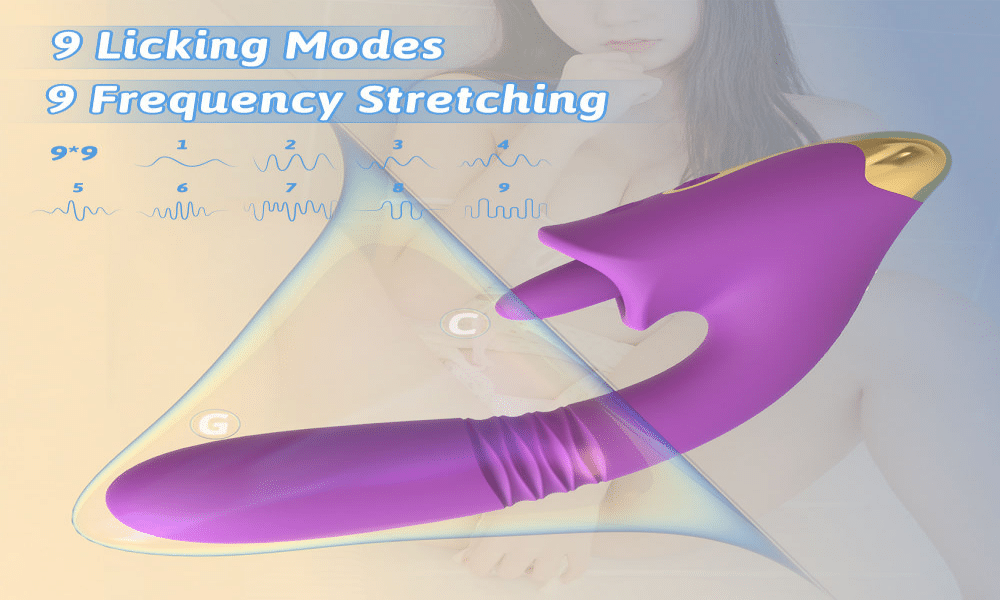
The Breakthrough: During testing cycle #32, the team discovered that a seemingly minor 0.8mm adjustment to the tip’s curvature created the difference between “pleasant” and “absolutely perfect” G-spot contact.
-
Final Angle: The precise 15-degree angle of the head was finalized, transforming ordinary stimulation into an extraordinary experience.
This case exemplifies why our ODM (Original Design Manufacturing) partnership model is so effective.
We integrate ergonomic expertise from day one, ensuring that comfort and pleasure are built into the core of your product, not added as an afterthought.
Conclusion: Ergonomics as Your Competitive Edge
When a market becomes saturated, ergonomic excellence is the silent differentiator that transforms a commodity into a coveted experience.
By integrating hedonomics—the science of pleasure and emotional satisfaction—with ergonomic principles, we create products that don’t just function, but genuinely delight.
Choosing Luxora means partnering with a team that understands this.
Our methodology, which integrates designer expertise, product precision, and consumer insight, ensures that the joy of use becomes the strongest link between your brand and your customers.
Frequently Asked Questions (FAQ)
Q1: Does ergonomic design have a big impact on product cost?
A1: While ergonomic design requires a deeper investment in research, user testing, and precision molding upfront, it is a crucial long-term investment.
This initial cost is offset by significant gains in user satisfaction, brand loyalty, and a stronger market position, ultimately creating a product with a core competitive advantage that justifies its value.
Q2: How do you design ergonomic products for different genders?
A2: Our process is rooted in extensive research into the anatomical diversity of all genders.
We analyze data on physical dimensions and pressure points to create distinct designs tailored to different bodies.
For some products, we also develop adjustable features to provide a customized and comfortable experience for every user.
Q3: In an ODM partnership, how can clients participate in the ergonomic design process?
A3: We believe in a collaborative partnership.
Clients are invited to participate at key stages, including initial concept brainstorming, reviewing 3D models, and providing critical feedback during user testing.
Your market insights combined with our ergonomic expertise ensure the final product perfectly aligns with your brand vision.