Table of Contents
Toggle
I know that many B2B partners who are concerned about social responsibility are seeking “blue ocean” markets and want their brands to have deeper value.
You realize that the mainstream adult sex toy market has a single, limited product design philosophy, often ignoring the elderly, the disabled, the chronically ill, and other groups with specific needs. You want to enter this market, but you lack the design concepts and paths to achieve it.
At Luxora, we firmly believe that pleasure is a universal human right and should not be limited by physical condition.
Today, I would like to talk about our concept of “Inclusive Design” and how we strive to truly realize “Sensory Art” that knows no boundaries.
This article explores accessibility. For a broader look at our engineering capabilities, read our Ultimate B2B Guide to Sex Toy Innovation.
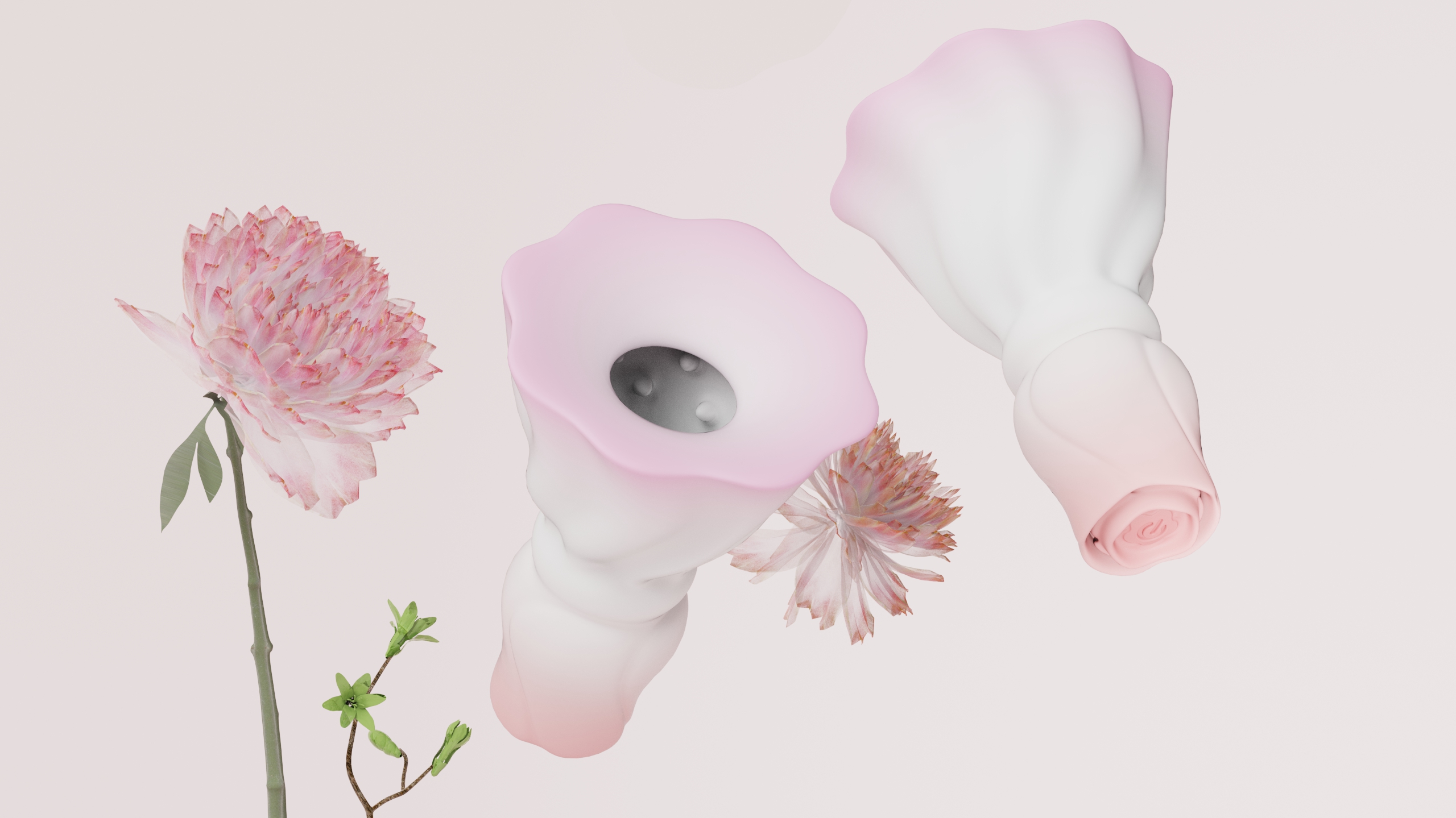
“The Barriers to Pleasure”: Identifying the Unmet Needs
To innovate, we must first listen.
Our research has identified several key barriers that prevent people from safely and comfortably using conventional pleasure products.
These challenges represent the core pain points our design philosophy aims to solve.
| Barrier Category | Real-World Impact on Users |
| Hand Dexterity Challenges | Users with arthritis, muscle weakness, or tremors struggle with small buttons, slender grips, and products requiring precise manipulation. |
| Limited Body Mobility | Individuals with limited range of motion need products that are easy to position, secure, and can potentially be used hands-free. |
| Sensory Differences | Visually impaired users lack tactile feedback on controls, while those with hearing loss miss audio cues. Others may have altered touch sensation. |
| Chronic Fatigue & Pain | Heavy, cumbersome, or overly intense products can be unusable for those managing chronic conditions, requiring lighter, ergonomic alternatives. |
Luxora’s Three Principles of Inclusive Design: A Step-by-Step Philosophy
Our approach is built on a foundation of three core principles that guide every product from initial concept to final creation.
Step 1: Build for Accessibility
Accessibility forms the foundation of our design philosophy, focusing on a single goal: eliminating the operational barriers that exclude users.
This isn’t just about compliance; it’s about creating intuitive experiences.
-
Controls: Large, high-contrast buttons with distinct tactile feedback.
-
Ergonomics: Shapes that are easy to grip and hold, regardless of hand strength.
-
Interface: Simple, clear interfaces that reduce cognitive load and confusion.
Step 2: Engineer for Adaptability
We recognize that no two bodies are the same.
Our products must flex to meet users where they are, rather than forcing them to conform to a rigid design.
-
Form: Flexible structures and modular components that adapt to different anatomies.
-
Usage: Accessories like support straps and extension handles to enable diverse use cases.
-
Interaction: Multiple control methods (voice, app, remote) to offer choice.
👉 Related: How we co-create features with diverse user groups
Step 3: Design with Dignity
An inclusive product should never feel like a cold, clinical medical device.
Dignity transforms a functional object into a celebration of pleasure.
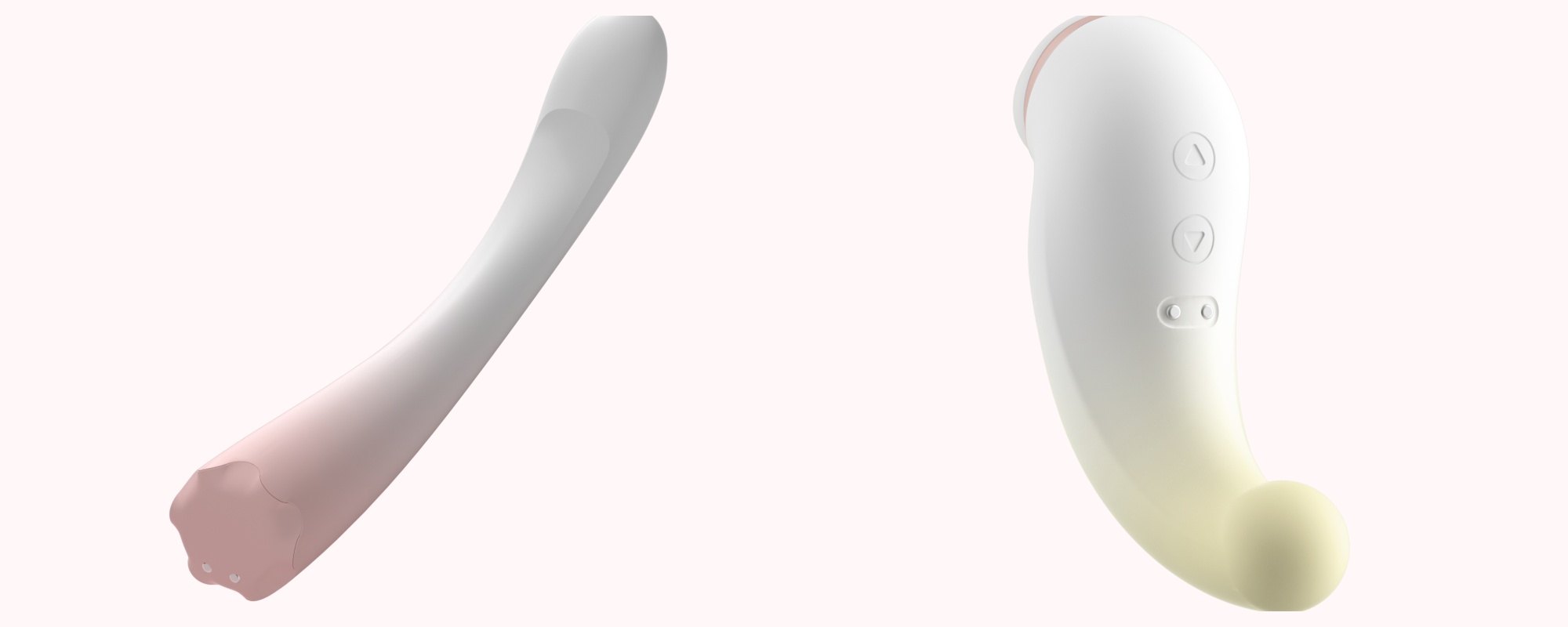
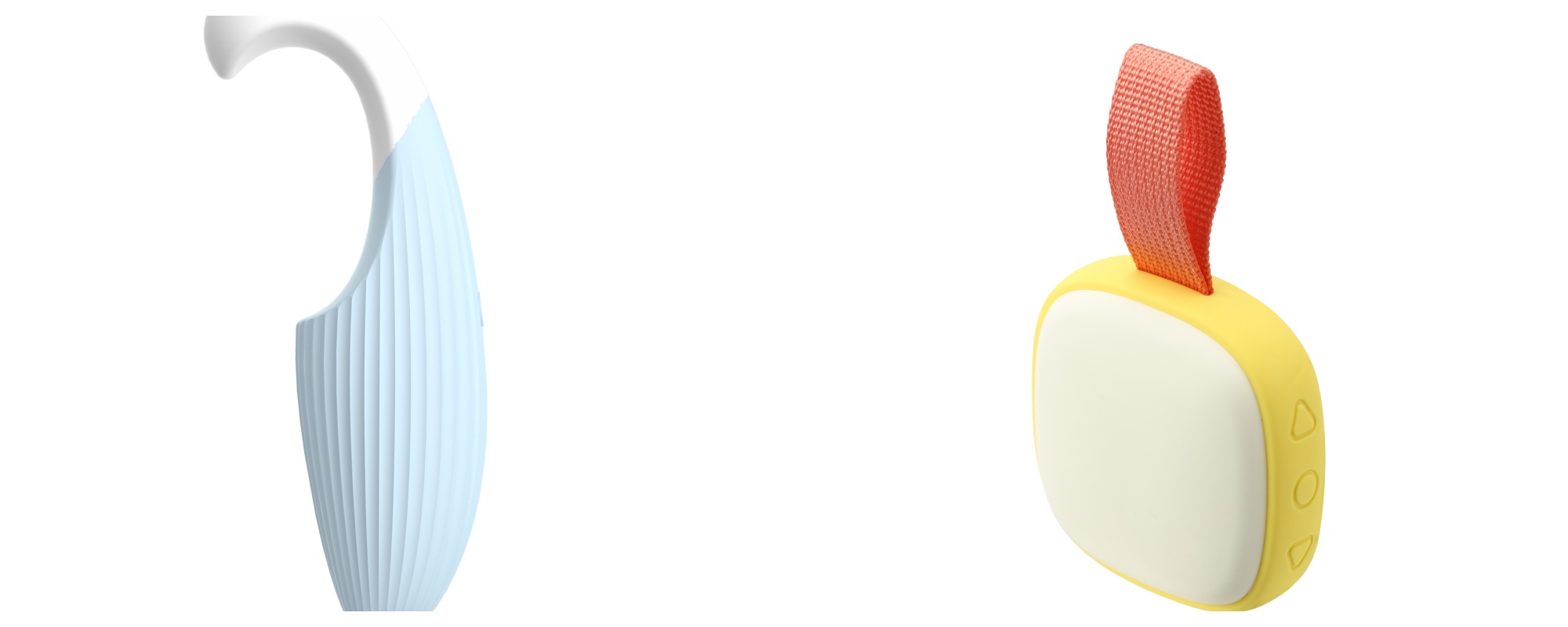
We reject sterile aesthetics in favor of elegant designs users feel proud to own.
We achieve this through sophisticated materials, elegant contours, and refined color palettes that communicate that accessibility never requires sacrificing beauty or desire.
Design as Universal Care
Ultimately, design transcends mere problem-solving; it is a profound language of empathy.
When we design for the 10% with specific needs, we invariably create products that are better for 100% of users.
The “curb cuts” on sidewalks, originally for wheelchair users, now benefit parents with strollers and travelers with luggage.
This is the power of universal design.
For our B2B partners, this intersection of social responsibility and business opportunity is a chance to lead a movement.
By embracing this philosophy, you aren’t just capturing market share—you are defining tomorrow’s standards for an industry ready for meaningful change.
Frequently Asked Questions (FAQ)
Q1: What is the market size for “accessible sex toys”?
A1: The market for accessible sex toys is a significant and growing segment.
According to the CDC (Centers for Disease Control and Prevention), approximately 1 in 4 adults in the US has some type of disability.
This represents a vast, underserved consumer base, indicating substantial market potential for B2B partners who are first to market.
Q2: Does inclusive design mean products will become more expensive?
A2: Not necessarily. While inclusive design may require more in-depth R&D initially, it often leads to a better, more user-friendly product for everyone.
This wider appeal can increase market share and lead to economies of scale that offset initial costs.
Our focus is on clever, empathetic design that solves problems, rather than adding expensive features.
Q3: How does Luxora conduct user research and testing for these products?
A3: Our process is deeply collaborative.
We work directly with individuals from our target communities, including people with disabilities and older adults, and consult with occupational therapists.
Our development cycle includes multiple rounds of prototyping and hands-on testing to ensure the final products are safe, dignified, and truly enhance the user’s experience.