Executive Summary: The Evolution of Remote Intimacy
In the competitive landscape of adult wellness, Remote Control Vibrators have transitioned from simple novelty items to complex communication tools.
For wholesalers and distributors, choosing between traditional Radio Frequency (RF) wireless remotes and modern Bluetooth 5.0 app-integrated systems is no longer just a price-point decision—it is a strategic choice that determines return rates and customer retention.
This guide analyzes the technical benchmarks required to dominate the Long-Distance Relationship (LDR) market.
By focusing on the “Sync-Profitability” model, we evaluate how advanced engineering, such as ENIG PCBs and LSR injection-overmolding, can safeguard your margins and build brand authority in the high-growth “Intimacy Bridge” sector.
1. Technical Comparison: Bluetooth 5.0 vs. RF Wireless
Understanding the hardware difference is the primary defense against technical returns.
Many entry-level retailers fall into the trap of sourcing low-cost RF units, only to be overwhelmed by “dead on arrival” (DOA) claims or signal interference complaints.
Traditional RF (Radio Frequency) Remotes
Standard wireless remotes typically operate on a 2.4GHz or 433MHz frequency.
-
Pros: Low manufacturing cost; simple “plug-and-play” for users who are tech-averse; no app required.
-
Cons: Highly susceptible to interference from other household electronics; limited range (usually <10 meters); no long-distance (LDR) capability.
-
B2B Impact: High volume potential but low “sticky” value. Best suited for impulse-buy “pleasure rings” or entry-level eggs.
Bluetooth 5.0 App-Integrated Systems
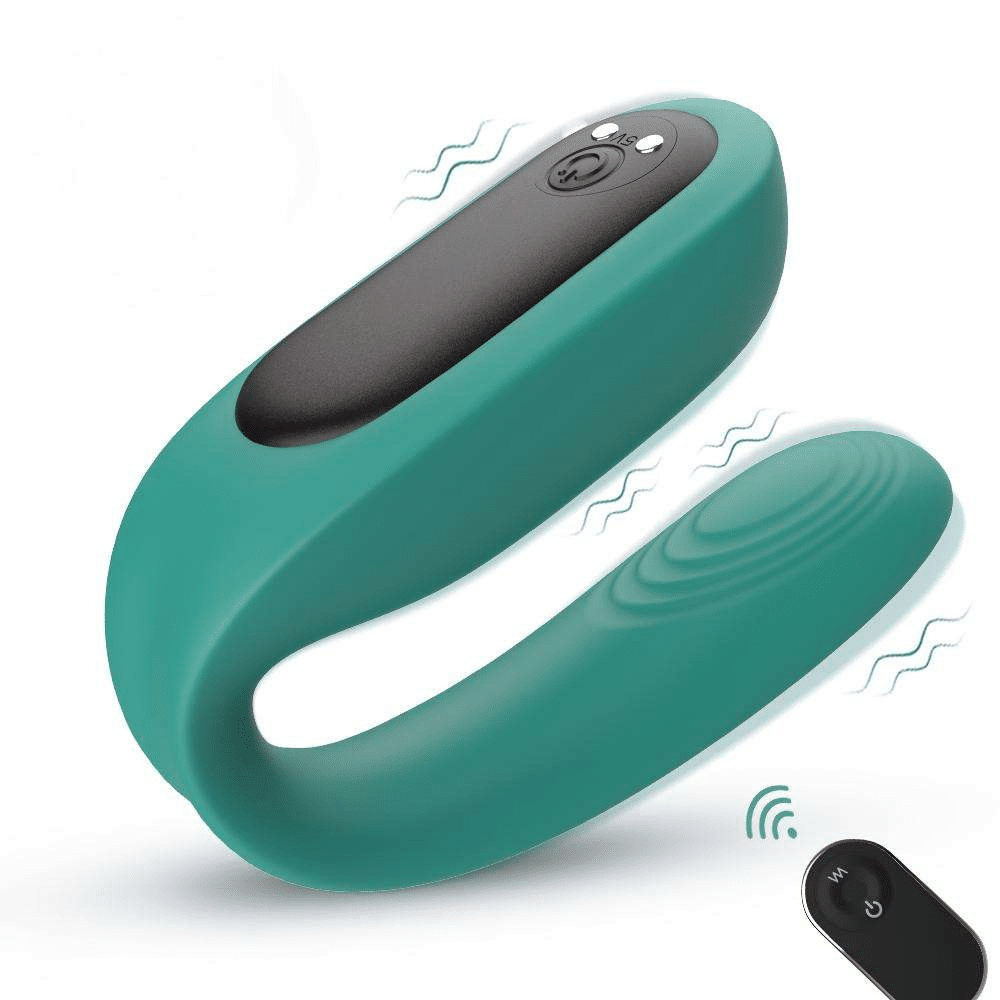
Modern “Intimacy Bridges” utilize Bluetooth 5.0 to connect to a smartphone, which then acts as a gateway for global control.
-
Pros: Stability over longer distances; customizable vibration patterns via firmware; global remote play via the internet; high perceived value.
-
Cons: Higher initial COGS (Cost of Goods Sold); requires robust app support.
-
B2B Impact: High-margin potential. This category targets the high-spending LDR demographic where “connection” is more important than “vibration.”
2. The “Sync-Profitability” Business Model
At Luxora, we advise our B2B partners to adopt the Sync-Profitability framework.
This strategy moves away from selling solo devices and focuses on the Dual-User Value Proposition.
Why Dual-User Products Command Higher Markups
When a device is marketed as a tool for a couple to maintain their relationship across borders, it ceases to be a commodity. It becomes a solution to a relational problem.
-
Justified Premium: Retailers can apply a 20-40% higher markup on app-synced devices compared to standalone remotes.
-
Market Retention: Once a couple integrates an app-controlled toy into their routine, they are 65% more likely to purchase an upgrade within the same brand ecosystem to maintain their digital “intimacy bridge.”
-
LDR Resilience: The long-distance demographic is less price-sensitive and more focused on Relational Resilience. They demand hardware that “just works.”
3. Engineering Benchmarks: Preventing the “Technical Return”
Technical failure is the silent profit killer in adult tech.
If a device fails to pair, the customer considers it broken.
To eliminate this, we have standardized a “Military-Grade” production protocol.
Multi-layer Smart PCBs (4-Layer Minimum)
Standard vibrators use 2-layer boards.
For stable Bluetooth 5.0, we mandate 4-layer architecture.
This allows us to isolate the high-speed data lines from the motor’s electromagnetic interference (EMI).
The result is zero-latency pairing and a signal that can penetrate body mass and thick silicone.
ENIG (Electroless Nickel Immersion Gold) Finish
Standard HASL (Tin Spraying) on PCBs is prone to oxidation, especially in high-humidity environments or when sealed inside silicone.
Oxidation leads to intermittent connectivity—the most common reason for consumer negative reviews.
-
The Gold Standard: We use ENIG finishes on all smart components. Gold does not oxidize. It ensures the signal remains 100% stable through months of storage and years of use.
MTBF Reliability Standards
We test all dual-motor systems for a Mean Time Between Failures (MTBF) of 10,000+ continuous hours.
This ensures that the mechanical components do not fail during high-intensity sessions, protecting the distributor’s reputation.
4. Material Science: LSR vs. Standard Silicone
Wearability requires a level of comfort that “assembled” toys cannot achieve.
The market has shifted toward Invisible Intimacy—devices that can be worn under clothing or during intercourse.
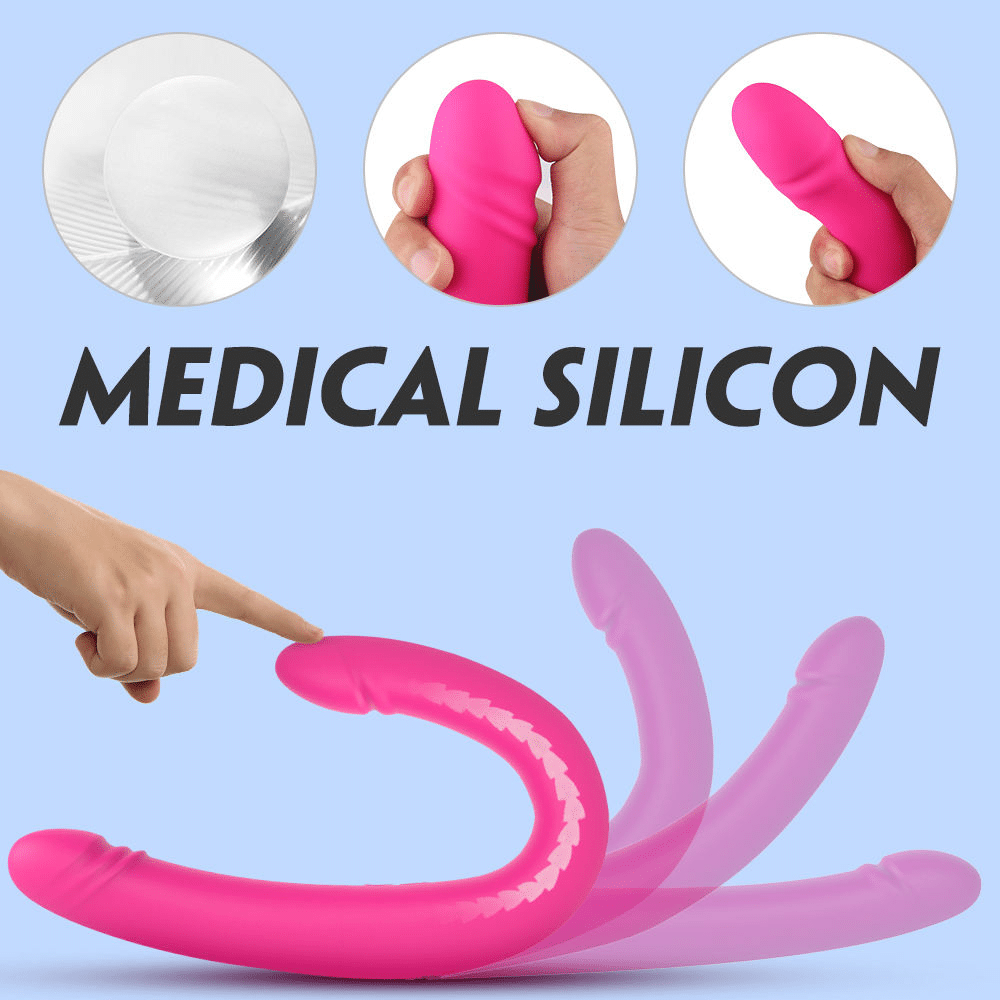
Liquid Silicone Rubber (LSR) Injection-Overmolding
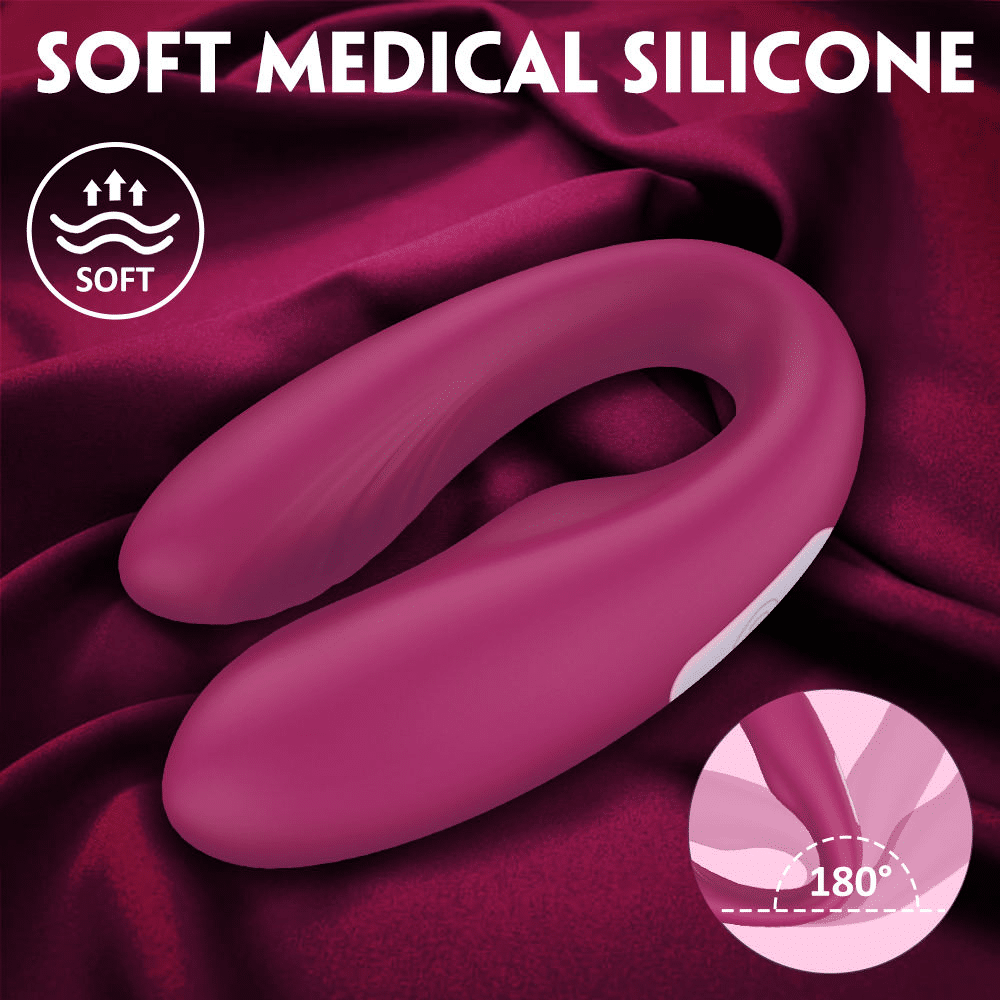
Unlike traditional compression molding, LSR injection-overmolding allows us to encase the electronics in a 100% seamless, gap-free shell.
-
Hygiene: No seams means no bacterial buildup.
-
Waterproofing: Our LSR devices achieve true IPX7/IPX8 ratings, allowing for use in baths and easy sterilization.
-
Scentless Finish: Every unit undergoes a 4-8 hour post-curing industrial bake to remove VOCs, meeting “Pure Air” safety standards for premium retail shelving.
5. Top Market Performers for Q4 2025 – Q1 2026
Wholesalers must balance “Market Anchors” with “Profit Drivers” to maintain a healthy inventory.
| Product Type | Market Role | Key Tech Feature | Profit Margin |
| Branded LDR Eggs (e.g., Lovense) | Traffic Driver | API Integration | Low-Medium |
| Luxora Sync C-Shape | Profit Driver | BT 5.0 + ENIG PCB | High |
| “Invisible” Wearables | Niche Growth | LSR Seamless Design | Medium-High |
| Dual-Motor Rings | Volume Filler | IPX7 Waterproofing | Medium |
The Case for Direct-Sourcing Profit Drivers
While brands like We-Vibe or Lovense drive traffic, the real profit for wholesalers comes from direct-source factory lines that meet the same (or superior) technical specs.
By sourcing devices with ENIG-finished PCBs and Bluetooth 5.0 directly from the Shenzhen-Dongguan nexus, distributors can capture the margin that usually goes to the brand holder while offering a product that matches the technical performance of market leaders.
6. Sourcing Strategy: Managing Inventory Risk
Adult tech is a depreciating asset. Lithium batteries and software versions evolve rapidly.
Successful retailers use an Agile Supply Chain rather than bulk warehousing.
Just-In-Time Replenishment
We support a high-velocity turnover model with:
-
7-Day Fast Lead Times: For best-selling SKUs, we maintain raw material buffers, allowing you to restock during viral surges (e.g., Valentine’s Day or Q4 holidays).
-
100-Set MOQs: This flexibility allows you to test the “Sync-Profitability” of a new design without tying up capital in 1,000+ units of unproven hardware.
-
Quality Verification: We provide Full HD video inspections of the internal PCBA and final motor stress tests before the balance is paid. You verify the engineering before it leaves the factory.
7. Compliance and Global Distribution
B2B buyers in the EU and North America face strict regulatory hurdles.
High-quality sourcing must account for more than just vibration patterns.
-
Safety Certifications: All app-controlled units must carry CE, RoHS, and FCC certifications.
-
Battery Safety: We use high-density cells with protective ICs to prevent thermal runaway—a critical safety feature for wearable devices.
-
Privacy Protocols: For app-integrated toys, data privacy is a growing concern. Our firmware supports encrypted handshakes to ensure the user’s connection remains private.
Source High-ROI Precision Intimacy Tech
9. Conclusion: Future-Proofing Your Inventory
The era of the “vibrating novelty” is over.
The future of adult retail is built on connectivity, material safety, and relational value.
By prioritizing Remote Control Vibrators that utilize Bluetooth 5.0 and ENIG-finished hardware, you are investing in a product line that minimizes the cost of returns and maximizes the value of every customer.
Don’t let signal drops destroy your brand’s reputation.
Focus on the LDR market, leverage the Sync-Profitability model, and choose a manufacturing partner that treats adult wellness with the same rigor as high-end consumer electronics.
Frequently Asked Questions
Are wearable remote vibrators still a trending category for 2026?
Yes, but the volume has shifted toward high-fidelity Long-Distance Relationship (LDR) tools.
Standard industry models relying on basic RF protocols often fail beyond 12 meters, frustrating users.
Modern profitability lies in App-driven connectivity.
Luxora solves signal interference by utilizing Bluetooth 5.0 on multi-layer ENIG PCBs.
This ensures stable, global control through silicone layers, maximizing customer retention compared to localized RF devices.
How can retailers mitigate risks when stocking for seasonal peaks?
Inventory agility protects cash flow better than bulk stockpiling.
Traditional manufacturing lead times force retailers to over-commit months in advance, risking dead stock if trends shift.
We recommend a “Turnover Velocity” strategy leveraging Luxora’s 7-Day Fast Lead Time and 100-set low MOQ.
This allows distributors to restock best-sellers rapidly during Valentine’s or Q4 surges without tying up heavy capital in depreciating electronic assets.
Why do some water-resistant vibrators fail after repeated use?
Failures usually stem from physical assembly gaps rather than component quality.
Many standard devices use glued seals that degrade over time.
We prevent this by using Liquid Silicone Rubber (LSR) injection-overmolding, which creates a 100% seamless, gap-free chassis.
This engineering guarantees IPX7 integrity and blocks water ingress or bacterial buildup, significantly lowering return rates defined by porous silicone alternatives.