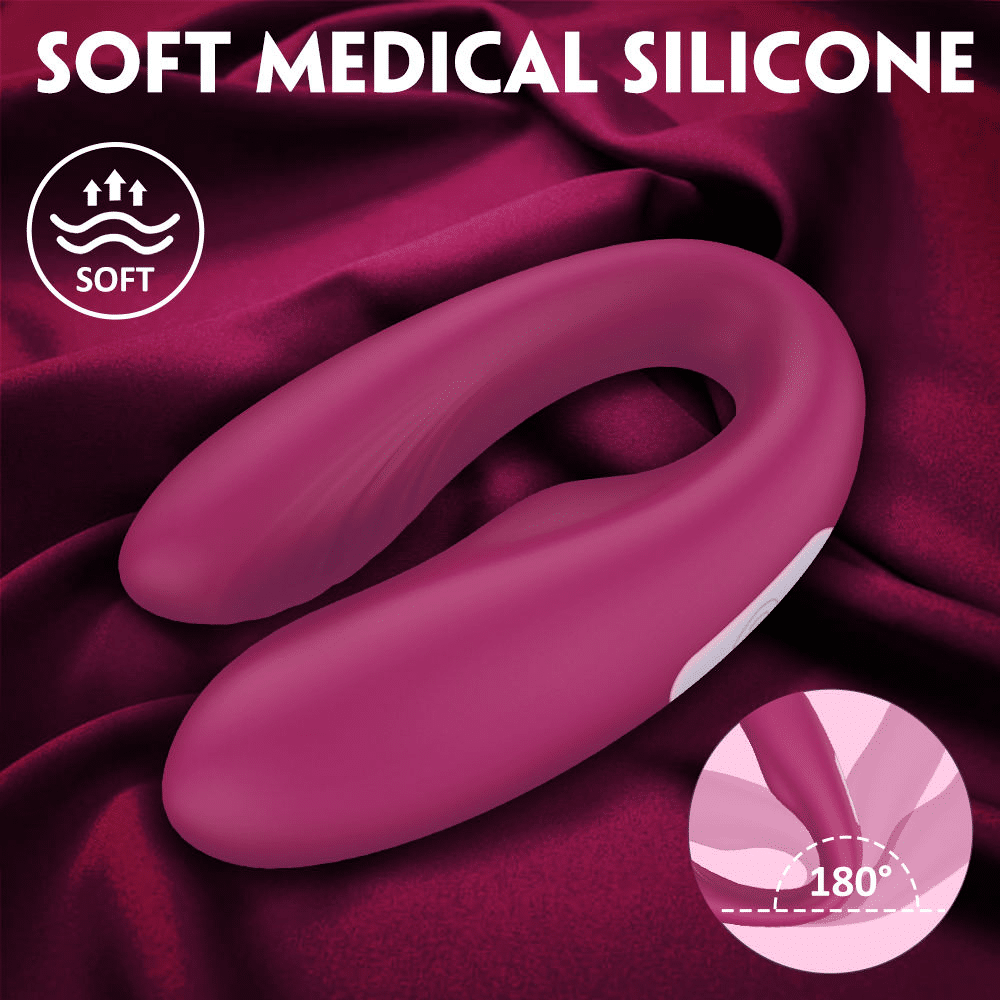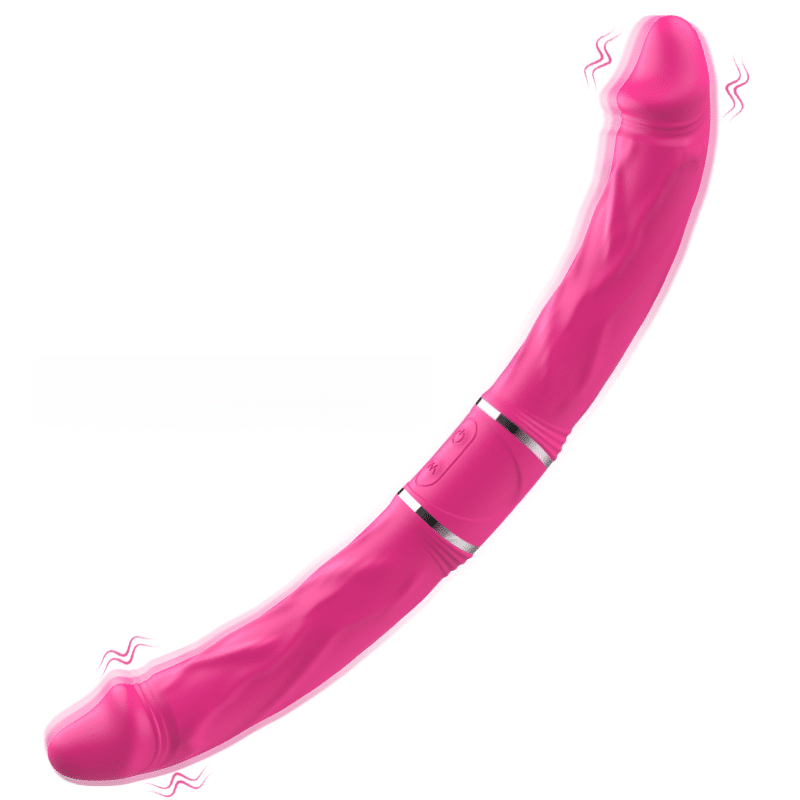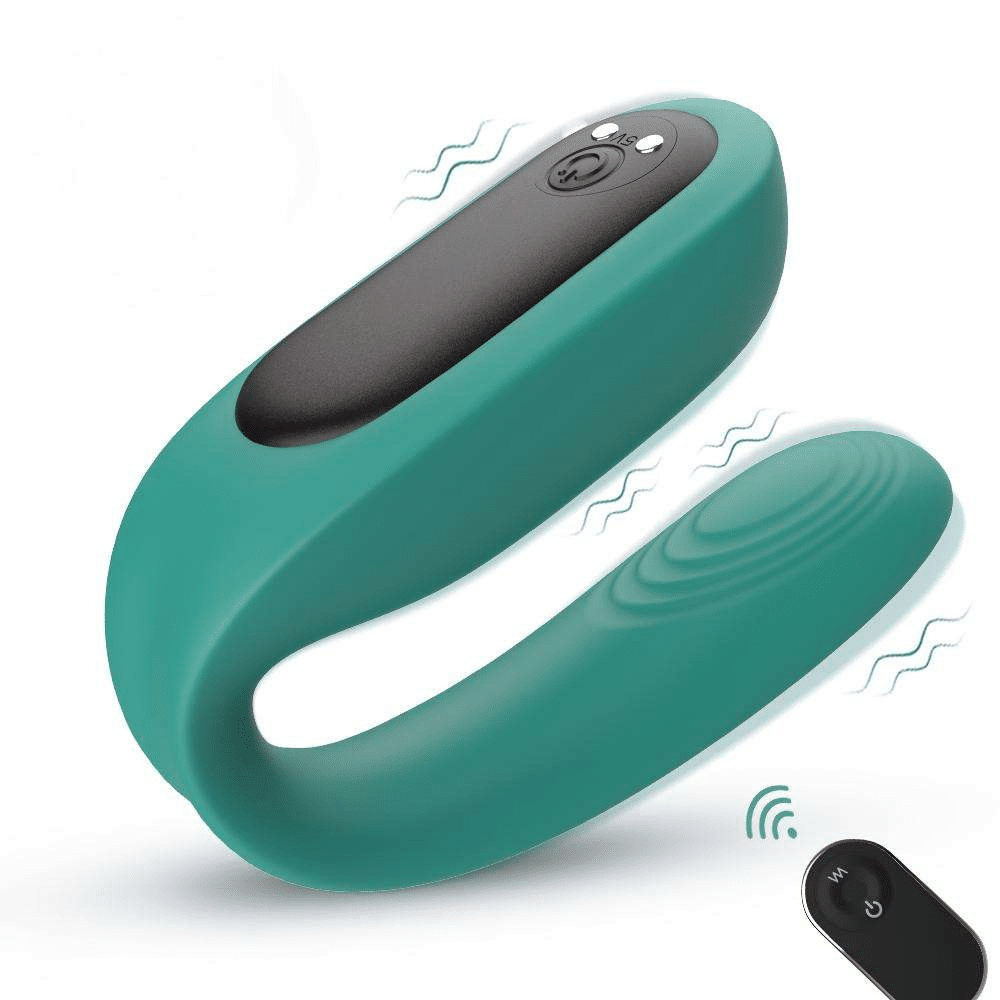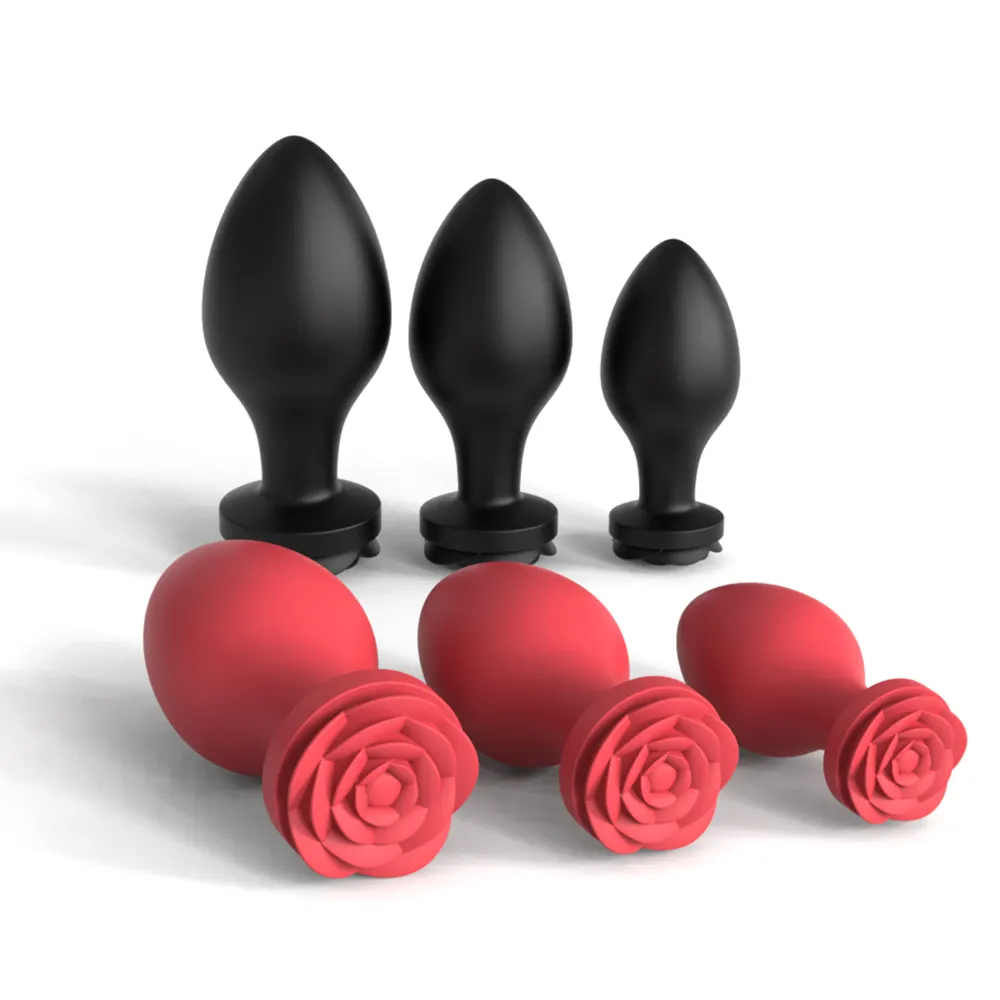
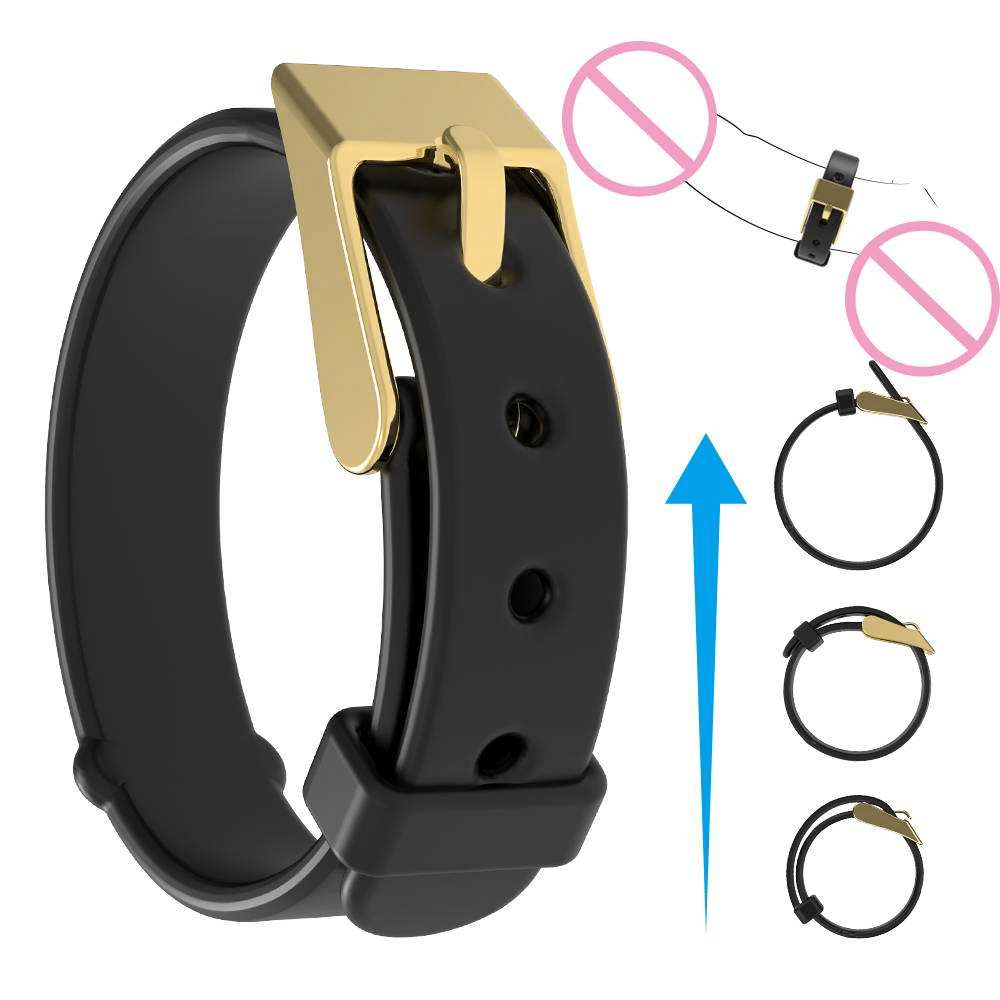
Sourcing from China for LGBTQ+ hardware in 2026 demands more than just finding the lowest unit price; it requires a rigorous strategy to avoid the “Vendor-Competitor” trap—a scenario where your own supplier undercuts you on retail platforms like Amazon or AliExpress.
Reliance on opaque trading companies often hides 15-30% markups and biocompatibility failures that trigger brand-damaging recalls and legal liabilities.
This guide benchmarks authentic manufacturers against Medical-Grade Platinum Silicone and High-Torque Tungsten Motor engineering standards.
We evaluate localized R&D capabilities and strict No-D2C Retail Policies to help you secure a scalable, IP-secure partnership.
1. The Hidden Costs of Trading Companies
Intermediaries rarely itemize their fees. Instead, they bury 15-30% markups inside logistics buffers or exchange rate fluctuations. We call this “Operational Opacity.” You pay for value you don’t receive, and you lose direct visibility into the production floor.
| Operational Metric | Trading Company (The Trap) | Luxora Source Factory (The Fix) |
|---|---|---|
| Cost Structure | Hidden 15-30% Markups | Factory Direct Efficiency |
| Quality Risk | ~20% Industry Defect Rate | 100% Spec Accuracy via QC |
| Channel Conflict | Sells D2C against you | Strict No-D2C Policy |
2. IP Security: Why Factory Scale Matters
Large-scale facilities (700+ staff) protect your Intellectual Property (IP) by physically isolating production stages.
In small workshops, a single technician may handle the design from start to finish, creating a massive leak risk.
Departmental Compartmentalization
At Luxora, we build physical firewalls between departments:
-
Physical Isolation: PCB assembly occurs in a secure micro-electronics wing, distinct from the silicone molding floors.
-
Role-Based Access: Electronic keycards prevent a molding worker from entering the R&D offices.
-
ISO 9001:2015 Traceability: This certification mandates rigorous audit trails, tracking exactly who accesses your data and when.
3. Evaluating Machine Capacity: OEE Explained
Machine count is a vanity metric without context.
We evaluate our 145-unit infrastructure using Overall Equipment Effectiveness (OEE).
This ensures that the monthly capacity of 800,000 units is a realizable delivery date, not just a theoretical max speed.
-
Availability: We minimize downtime to ensure machines aren’t idle.
-
Performance: We optimize for sustainable high speeds that don’t compromise motor integrity.
-
Regional Synergy: We leverage the Shenzhen-Dongguan Axis—Shenzhen for PCBA micro-electronics and Dongguan for precision Liquid Silicone Rubber (LSR) molding.
4. Direct R&D: Working with 50 Engineers
Direct factory access replaces slow trader relays with a 50-person engineering team.
This allows for 7-day prototyping and the integration of components like High-Torque Tungsten Motors into early-stage CAD designs.
Precision Molding Standards
We utilize SPI Class 101/103 standards for high-volume durability.
Our facility strictly uses Platinum-cured silicone, followed by a mandatory 4-8 hour Post-Curing Industrial Baking Cycle to eliminate Volatile Organic Compounds (VOCs) and chemical odors.
5. Logistics: Navigating DDP and HS Codes
Unrealistically low DDP (Delivered Duty Paid) quotes are a massive red flag signaling illegal tax evasion.
We rely on valid HS Codes to ensure audit-proof customs entry:
-
HS Code 9019.10.10: Classified as “Massage Apparatus.” We use this to position high-spec devices under “Wellness” standards.
-
HS Code 9503.00.00: Applied to standard electronic toys to align with established B2B regulations.
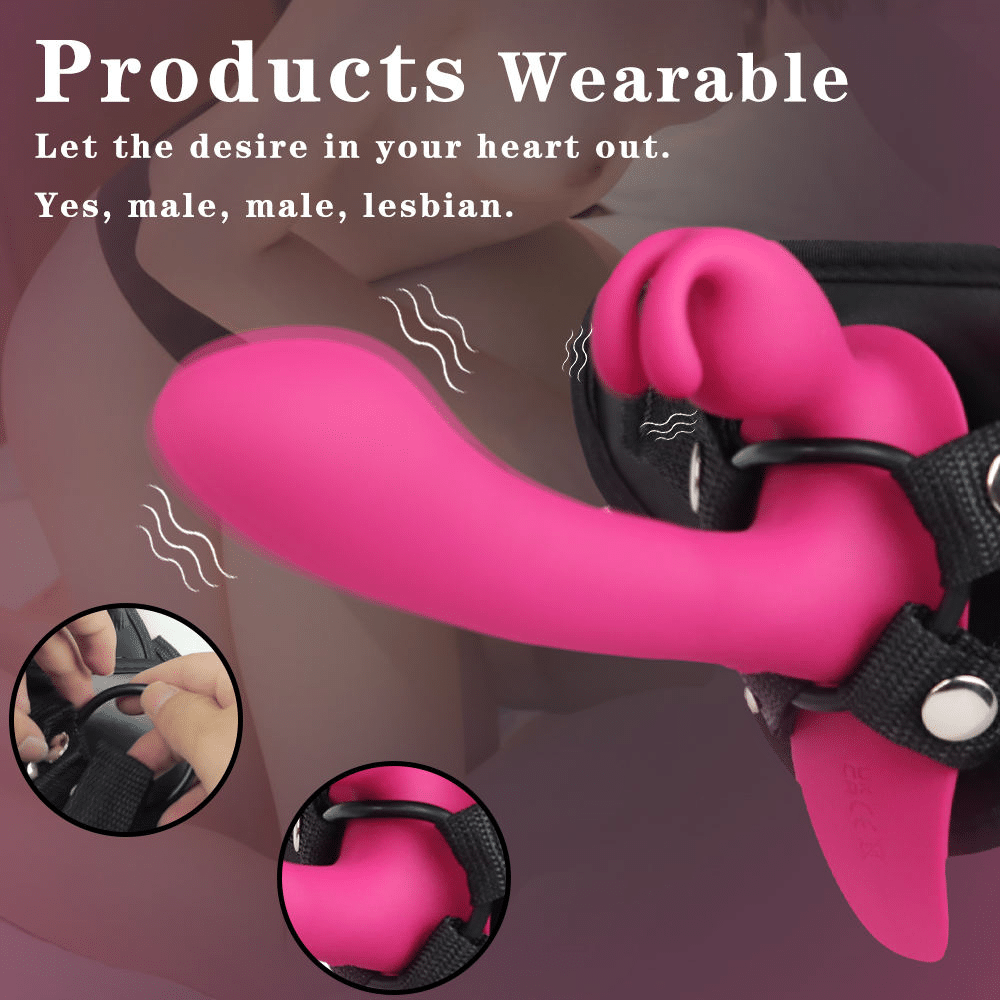
Precision-Engineered LGBTQ+ Tech for Global Brands
Final Thoughts
Sourcing through opaque intermediaries exposes your margins to the “Vendor-Competitor” trap.
By leveraging Luxora’s vertically integrated Shenzhen-Dongguan axis, you secure Medical Grade Platinum Silicone quality without channel conflict.
Frequently Asked Questions
How do I find a reliable sex toy factory in China?
Look for the Shenzhen-Dongguan industrial synergy.
Elite manufacturing splits the workload: Shenzhen handles the micro-electronic R&D (PCBA), while Dongguan manages precision liquid silicone (LSR) molding.
Avoid suppliers who claim to do everything under one roof in a remote province—they are likely trading companies.
A legitimate source factory will provide a “Golden Sample” within roughly 7 days and strictly enforce a No-D2C policy to protect your margins.
Is it safe to source gay toys from China?
Yes, but safety depends on your technical specification (BoM) control.
For anatomical products, insist on Medical-Grade Platinum Silicone.
Crucially, verify the factory performs a 4-8 hour “Post-Curing Industrial Baking Cycle.”
This step eliminates Volatile Organic Compounds (VOCs) and odors, ensuring a “Pure Air” experience.
Mechanically, require High-Torque Tungsten motors specifically engineered to withstand internal pressure without stalling.
What are the benefits of factory-direct sourcing?
You eliminate the “middleman tax” and gain technical agility.
Direct sourcing allows you to mandate specific component upgrades—like demanding ENIG (Immersion Gold) finishes on your PCBs for superior app-sync stability—without an agent filtering your requests.
Speed is the other factor; direct access enables 3-7 day lead times for stock best-sellers, which is critical for hitting Pride month surges.
How can I inspect a factory virtually?
Skip the showroom tour. Ask for a live feed of the assembly line and the baking ovens.
Real confidence comes from pre-shipment transparency.
A reliable partner will send full HD inspection photos and videos of both the bare PCBA and the finished packaged goods before you pay the balance.
If they hesitate to show you the inside of the product, walk away.
What is the typical Minimum Order Quantity (MOQ)?
Old-school industry standards often hover around 500-1,000 units.
However, modern agile manufacturing offers lower thresholds to support diversity in SKUs.
We offer an MOQ of just 100 sets for neutral products or laser-logo customization.
This allows B2B partners to validate market interest without tying up massive capital in inventory.
How do I protect my designs when manufacturing in China?
Legal tools like NNN agreements and CNIPA patent filings are necessary, but your Business Model is your strongest shield.
Source from a factory that operates on a strict No-D2C (Direct-to-Consumer) model.
If your manufacturer sells their own brand on Amazon or AliExpress, they are your competitor, not your partner.
Work with factories that only profit when you sell.